
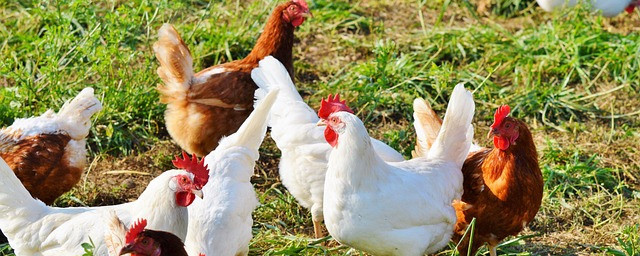
Are free-range eggs better, and should you let your chickens roam?
Free-range eggs from hens that actually spend time outdoors foraging are nutritionally superior to cage-raised eggs, with higher levels of vitamin D, omega-3 fatty acids, and lower cholesterol. The USDA definition of “free-range” is loose enough to be nearly meaningless, so the label alone doesn’t tell you much. True free-ranging benefits the birds, reduces your feed costs, and keeps the coop cleaner. But it comes with real tradeoffs, including predator risk and zero respect for your garden.
What Does Free Range Mean?
What Does Free Range Actually Mean?
The term gets used a lot, but the definition depends on who’s doing the defining.
The USDA requires only that free-range chickens have access to the outdoors. That’s it. The birds don’t have to go outside, don’t have to spend any minimum time out there, and don’t need any particular amount of space. A door that opens to a small concrete pad technically qualifies. So those USDA-certified free-range eggs at the grocery store may have come from hens that rarely or never set foot outdoors.
Humane Farm Animal Care (HFAC), a nonprofit based in Washington, D.C., focused on farm animal welfare, sets a stricter standard. Under their certification, chickens must spend at least 6 hours per day outdoors when weather and season allow, and they must have at least 2 square feet of outdoor space per bird.
It’s a better standard, but still a long way from what most people picture when they hear “free-range.”
My birds operate under the real version. I open the coop door in the morning, and they find their way back in the evening. Where they go during the day is largely their business. That’s what the rest of this article is based on.
Advantages of Free-Ranging
Chickens spend most of their waking hours looking for food. When they can forage for it themselves, you buy less of it. I notice a significant drop in feed consumption every spring when the flock can scratch up bugs, grubs, and seeds on their own. My feed bill runs close to half of what it does in winter.
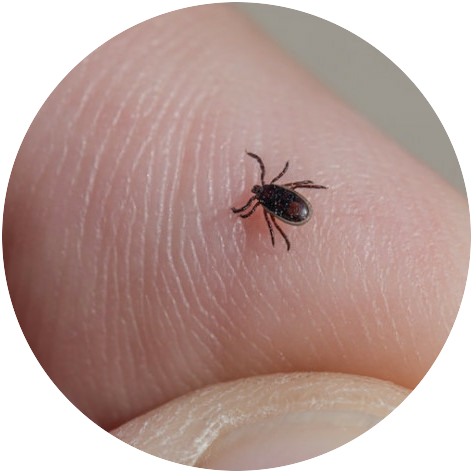
Ticks are a real problem in the northeast, and they’ve been getting worse. Chickens eat anything that moves, and ticks are on the menu. A free-ranging flock is one of the more effective forms of tick control you can put on your property.
Chasing things to eat gives the chickens exercise. Being stuck in a coop all day does not make for healthy chickens. Healthy weight, good muscle tone, and active behavior are all natural results of spending the day moving around.
Coop cleaning is considerably easier when the birds are outside all day. Less time in the coop means less manure, which means less ammonia. Ammonia buildup is a genuine health hazard for chickens and can become lethal if it gets out of hand. Free-ranging takes a real bite out of that problem.
Gathering eggs is also more pleasant when there are no hens sitting on the boxes in the chicken coop. A broody hen doesn’t inflict much pain when she pecks at your hand, but it’s startling every time, even when you know it’s coming.
Disadvantages of Free-Range Chickens.
Chickens do not take direction. You can tell them to stay out of the garden all you want, but they will go straight to it.
They dig where they want, dust-bathe where they want, and deposit manure wherever they happen to be standing when the need arises. Including on your porch. Including on your head if you walk under the roost at the wrong moment.
They have a genuine talent for spreading things around. I put a cubic yard of compost at the end of a raised bed one afternoon. By the next morning, the flock had distributed it across twelve feet of garden bed. I couldn’t be too annoyed; they saved me the spreading work, but control was not part of the equation.
Chickens do not understand roads. They cross them for the same reason they do everything else: no particular reason. I’ve lost a favorite bantam rooster to traffic. It’s not a good day when that happens.
Predators are the biggest and most serious disadvantage. The list of things that will eat a chicken is long: foxes, hawks, eagles, fishers, weasels, bobcats, bears, dogs, raccoons, and opossums. Free-ranging puts your birds in range of all of them.
There is no clean solution to this. Some losses come with the territory. Knowing your local predator pressure and adjusting accordingly is about the best you can do.
To Free Range or Not To Free Range
I don’t spend much time on the fence about this one. I think chickens, like most animals, have an awareness of their situation — they feel fear, they have preferences, and given the choice, they want to be out rather than in. A coop-confined bird might live longer statistically, but I’m not convinced longer is the same as better.
There’s also a practical relationship benefit. Free-ranging birds spend time alongside you. They follow you around the yard, investigate whatever you’re doing, and develop a familiarity with their keeper that a penned flock rarely does. They’re better company for it.
Free and Unstressed is Better for You
Thich Nhat Hanh was a Vietnamese Buddhist monk and one of the most widely read contemplative writers of the last Century. He passed away in January 2022. In one of his books, I don’t remember which one, he wrote about the idea that the stress of an animal passes into the food it produces.
Whether that’s measurable science or something closer to philosophy, I find it worth considering. The research on stress hormones in poultry is real. Cortisol and other stress-related compounds do show up in eggs and meat from chronically stressed birds.
You don’t have to hold a particular spiritual view to think that a calmer, freer bird probably produces a better product. The evidence leans that way. Let them roam.
Take care.
Dave

Chickenmethod.com