
What are some plants toxic to chickens?
Several common garden and ornamental plants are toxic to chickens, including foxglove, oleander, yew, lily of the valley, rhododendrons, azaleas, plants in the nightshade family (tomato and potato leaves, green potatoes, unripe tomatoes), daffodil bulbs, and avocado. Symptoms of poisoning include lethargy, diarrhea, convulsions, and, in severe cases, sudden death. Keep toxic plants fenced off or removed from areas where your flock free-ranges. When in doubt, look it up before letting them near it.
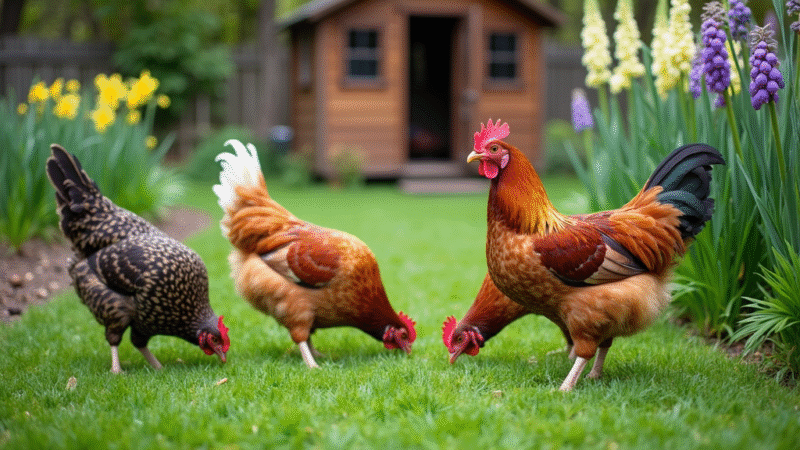
Chickens will peck at almost anything that grows, wiggles, or moves. That curiosity is part of what makes them good foragers, but it also means they will occasionally sample something they should not. Not every plant in a typical backyard is safe for chickens, and some common ornamentals are genuinely dangerous.
Here is what to watch for and what to do if something goes wrong.
Table of Contents
Common Toxic Plants
These are some plants toxic to chickens worth knowing by name because they show up regularly in backyards and gardens:
Foxglove contains cardiac glycosides that disrupt heart rhythm. Even small amounts can be fatal. It is a popular ornamental with bell-shaped flowers, which means it is planted near coops more often than it should be.
Nightshade family plants are a broad category worth understanding. The ripe fruit of tomatoes, potatoes, and eggplants is generally fine in moderation. The leaves, stems, unripe tomatoes, and green potatoes all contain solanine, which is toxic to chickens. Know what part of the plant your flock can access before letting them range near a vegetable garden.
Oleander, yew, and monkshood are among the most acutely toxic plants a chicken could encounter. Even small amounts of yew, in particular, can cause sudden cardiac arrest. If any of these are growing on your property and your flock free-ranges, they need to come out or be fenced off entirely.
Rhododendrons and azaleas contain grayanotoxins that interfere with nerve function. A few leaves are enough to cause serious symptoms.
Lily of the valley contains cardiac glycosides similar to those of foxglove. All parts of the plant are toxic.
Daffodils are toxic primarily through the bulb, which contains lycorine. Hens digging in garden beds during the fall bulb-planting season are at risk.
Avocado contains persin in the skin, pit, and flesh, which affects heart function and breathing in poultry. Keep avocado entirely out of the flock’s reach, including kitchen scraps.
Wisteria contains lectins and wisterin in the pods and leaves. Enough of either causes digestive distress and more serious symptoms in larger amounts.
A Note on Elderberries: Elderberries show up on toxic plant lists, and the warnings are partially justified. Ripe elderberries are generally tolerated by chickens, and mine eat them without apparent problems. The stems, leaves, and unripe berries are another matter: they contain cyanogenic glycosides that can convert to cyanide in the body. If you have elderberries, keep birds away from the plant until harvest, and offer only ripe fruit. Cooking the berries makes them safe and removes the risk entirely.
Plants Chickens Tend to Avoid
A few plants are not outright toxic, but chickens generally leave them alone due to a strong scent or an unpleasant texture. Lavender, rosemary, and mint fall into this category. Bracken fern is among the plants toxic to chickens, but chickens usually avoid it naturally.
However, do not rely on your flock’s instincts as a safety net. Bored birds, hungry birds, and young chicks are all more likely to sample something the rest of the flock ignores.
Some breeds are simply more curious than others and will try things that more cautious birds walk past. Provide plenty of safe forage options and remove or fence the genuinely dangerous plants toxic to chickens, rather than assuming the chickens will self-regulate.
Plants Worth a Second Look
There is a lot of disagreement in backyard chicken-keeping communities about which are truly plants toxic to chickens and which have been given an undeserved reputation.
Lamb’s quarters is one example. It shows up on some toxic plant lists, but it is edible for both people and chickens and is one of the few weeds I deliberately let grow in my garden. I use the leaves in salads and in omelets in place of spinach, and my flock grazes on them without issues.
The honest answer is that toxicity varies by plant part, quantity consumed, and individual bird. When I am not certain about a plant, I keep the flock away from it. Careful research and a habit of checking before adding new plants to the garden go a long way.
Plants Toxic to Chickens List
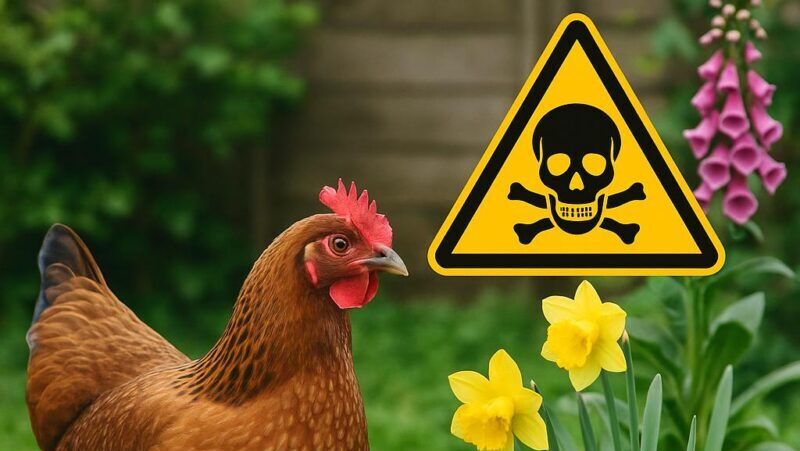
Toxic Plant Reference Table
Keep this list handy and check it when something new appears in your yard.
| Plant | Why It Is Toxic |
|---|---|
| Amaryllis | Alkaloids cause vomiting and diarrhea |
| Autumn crocus | Colchicine can cause organ failure |
| Avocado | Persin affects the heart and breathing |
| Azalea / Rhododendron | Grayanotoxins harm heart and nervous system |
| Boxwood | Alkaloids and glycosides cause vomiting and tremors |
| Castor bean | Ricin causes severe GI distress, often fatal |
| Daffodil bulb | Alkaloids cause vomiting and convulsions |
| Datura | Tropane alkaloids cause paralysis |
| Deadly nightshade | Solanine causes respiratory and digestive distress |
| Elderberry (unripe/stems/leaves) | Cyanogenic glycosides produce cyanide |
| Foxglove | Cardiac glycosides disrupt heart rhythm |
| Hemlock | Coniine causes paralysis and respiratory failure |
| Jimsonweed | Tropane alkaloids cause convulsions |
| Lantana | Triterpenoids cause liver damage |
| Lily of the valley | Cardiac glycosides cause heart issues |
| Oleander | Cardiac glycosides can be fatal |
| Philodendron | Calcium oxalates cause mouth and throat pain |
| Pokeweed | Phytolaccatoxin causes vomiting and respiratory failure |
| Wisteria | Lectins and wisterin cause digestive and systemic issues |
| Yew | Taxine alkaloids cause sudden cardiac arrest |
While this list is by no means complete, it should cover most of the plants toxic to chickens commonly encountered.
Symptoms of Plant Poisoning
If a chicken has eaten something toxic, the signs usually appear within a few hours. Watch for:
- Lethargy or sudden weakness
- Drooling or excessive thirst
- Diarrhea or vomiting
- Convulsions or tremors
- Labored breathing
- Sudden death in cases of highly toxic plants like yew or foxglove
Separate the affected bird immediately. If you can identify or photograph what the bird ate, bring that information to an avian vet. Some toxins have specific treatments, and acting quickly matters.
How to Keep Your Flock Safe
Walk your yard each spring and identify what is growing near your coop and ranging areas. If you do not recognize a plant, look it up before assuming it is safe. Remove or fence off any plants toxic to chickens on the toxic list that your birds can reach.
Keep feed and clean water consistently available. A well-fed flock forages more selectively. Hungry birds are less discerning.
Provide enrichment so that boredom does not push birds to sample whatever is nearby. Scattered scratch, a head of cabbage, safe weeds like dandelions and clovers, and perches at different heights all help keep a flock occupied and away from plants toxic to chickens.
Dave

Chickenmethod.com
Frequently Asked Questions
What is the most dangerous plant family for chickens?
The nightshade family is one of the most common hazards because it includes familiar garden plants like tomatoes, potatoes, and eggplants. The leaves, stems, and unripe fruit of all of these contain solanine and are toxic. Foxglove, yew, oleander, and lily of the valley are arguably more acutely dangerous but less likely to be growing in a vegetable garden where chickens range.
Can chickens eat wild plants safely?
Many wild plants are safe and nutritious. Dandelion, clover, chickweed, and lamb’s quarters are all good examples. The key is knowing what is growing in your yard and checking anything unfamiliar before letting the flock near it.
How do I know if my chicken has eaten something toxic?
Watch for sudden behavioral changes: drooping wings, lethargy, unusual droppings, loss of coordination, or convulsions. If you saw the bird near a suspect plant or found plant material from plants toxic to chickens in the coop, separate the bird and contact an avian vet. Bring a photo or sample of the plant if you can.
Do chickens learn to avoid toxic plants?
Often, yes, particularly birds with experience foraging. But young chicks, bored flocks, and naturally curious breeds may sample things more experienced birds ignore. Do not rely on instinct alone. Remove the hazard rather than testing the flock’s judgment.
Are herb garden plants safe for chickens?
Most common culinary herbs are not among the plants toxic to chickens, and some are actively beneficial. Oregano has documented antimicrobial properties. Parsley, basil, and thyme are all fine. Strongly scented herbs like lavender, rosemary, and mint are generally avoided by chickens on their own but are not toxic if eaten.