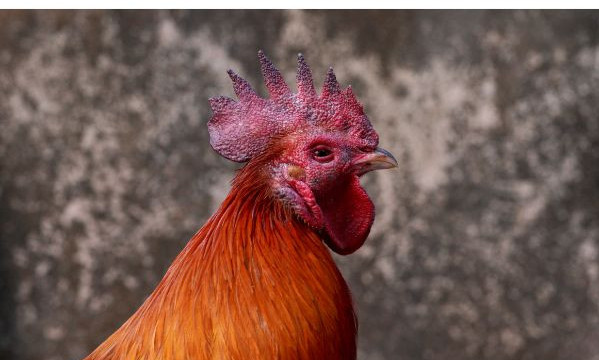
Understanding The Incredible Chicken Cloaca Anatomy

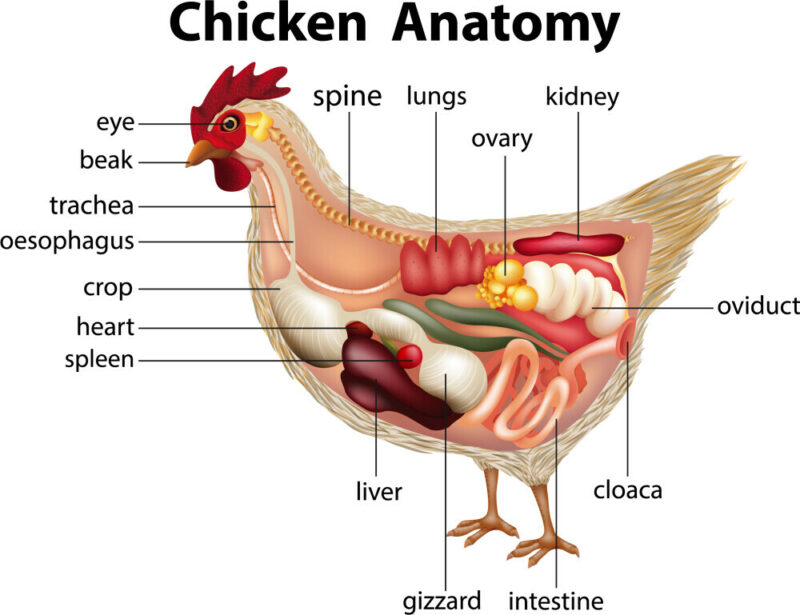
chicken cloaca anatomy and the anatomy of a chicken

What is a chicken’s cloaca and why does it matter?The cloaca, also called the vent, is a single multipurpose chamber at the base of a chicken’s body that handles waste elimination, reproduction, and immune function simultaneously. It consists of three internal sections: the coprodeum for digestive waste, the urodeum for urinary waste and reproductive function, … Read more

Providing Shade For Chickens In Hot Climates

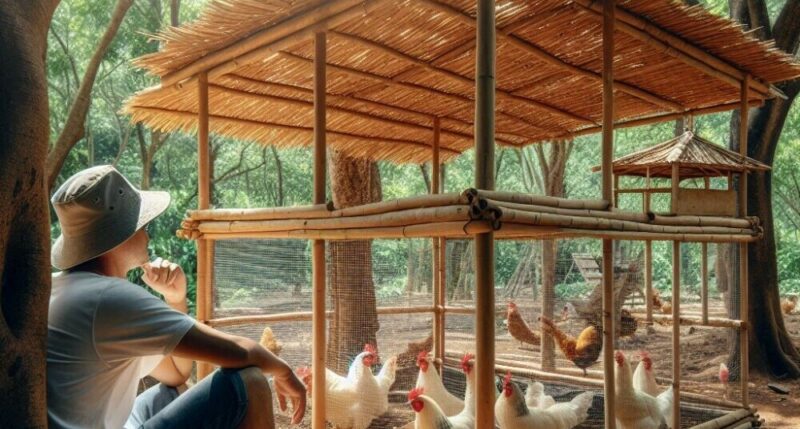
Providing shade for chickens in hot climates

How do you keep chickens cool in hot weather?Providing shade for chickens in hot weather is the single most important factor. Chickens handle temperatures up to about 75 degrees Fahrenheit comfortably; heat stress begins above 85 and becomes dangerous above 95. Practical solutions include natural shade from trees, shade cloth over the run, shallow water … Read more

Chicken Swollen Eye Treatment

How do you apply chicken swollen eye treatment?Chicken swollen eye treatment starts by identifying the cause. Physical trauma from a peck or scratch is the most common culprit and can be treated at home with a saline flush and warm compress. Bacterial infections causing discharge or pus require antibiotic eye drops or a vet visit. … Read more

How To Treat An Impacted Crop In Chickens

How do you treat an impacted crop in chickens?To treat an impacted crop in chickens, isolate the bird, withhold solid food for 24 hours, and keep water available. Gently massage the crop several times a day to break up the blockage. A few drops of olive oil administered carefully into the beak can help lubricate … Read more

20 Plants Toxic To Chickens

A flock avoiding plants toxic to chickens

What are some plants toxic to chickens?Several common garden and ornamental plants are toxic to chickens, including foxglove, oleander, yew, lily of the valley, rhododendrons, azaleas, plants in the nightshade family (tomato and potato leaves, green potatoes, unripe tomatoes), daffodil bulbs, and avocado. Symptoms of poisoning include lethargy, diarrhea, convulsions, and, in severe cases, sudden … Read more

Common Chicken Molting Problems And How To Solve Them

A chicken solving chicken molting problems.

What are common chicken molting problems, and how do you fix them?Common chicken molting problems include prolonged feather loss, bare patches that do not fill in, pin feathers being pecked by flock mates, and a sharp drop in egg production. Most problems trace back to three causes: inadequate protein in the diet, stress from environmental … Read more

Should You Debeak Layer Chickens

Is debeaking chickens ethical?Debeaking, or beak trimming, reduces cannibalism and feather pecking in large flocks and is standard practice in commercial egg production. Research confirmed in 1985 that chicken beaks contain sensory nerve receptors, meaning the procedure causes real pain. For backyard flock keepers, there are better alternatives: choose docile breeds, avoid overcrowding, provide adequate … Read more

What To Do For A Sick Chicken

What should you do if your chicken is sick? Separate the sick bird from the flock immediately to prevent spread. Identify the symptoms: droopiness, ruffled feathers, diarrhea, labored breathing, or reduced eating are common warning signs. Common culprits include coccidiosis, Marek’s disease, fowl cholera, avian flu, and salmonella (paratyphoid). Most conditions respond better to prevention … Read more

How To Protect Hatched-late Chicks From Autumn Chilling

Hatching chicks late in the season can put you on edge as cooler evenings roll in. These little guys start off vulnerable, especially when autumn’s chill can nip at their health and energy. I’ve handled plenty of late-season hatches and can tell you that a few smart steps really make a big difference for your … Read more