

Will raccoons kill chickens? Yes. Raccoons will kill chickens, and they’re far from the only predator that will. Foxes, hawks, opossums, weasels, bobcats, and even dogs all pose a real threat to a backyard flock, and knowing what you’re dealing with is the first step to keeping your birds safe.
One late afternoon several years ago, I came home to find a massacre among my flock. Chickens were everywhere, on the lawn, in the weeds, over the embankment. It was brutal. A lucky fox with kits to feed had found my birds out free ranging and did her worst.
Chickens are on the menu for many predators. Let’s go through the main ones and talk about what you can do about them.
Table of Contents
What is a Chicken’s Biggest Predator?
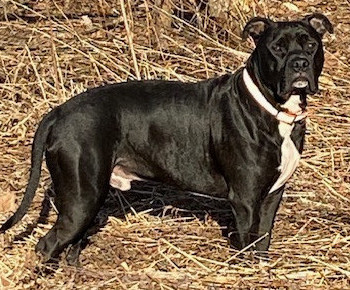
The number one killer of chickens during the day is probably dogs. My big Bully, Chip, accidentally killed three of my pullets while trying to play with them. I didn’t realize what was happening until I saw him nudging a carcass, trying to get it to keep moving. One good scolding was all it took to stop him for good. Stray dogs can be a problem too, though they aren’t an issue where I live. Foxes, bobcats, coyotes, and various raptors are what I deal with instead.
Other daytime predators include:
Hawks and eagles, foxes raising kits, domestic cats, mink and weasels, snakes, and bears.
Nighttime predators include:
Foxes and coyotes, raccoons, mink, weasels, and opossums, fishers, skunks, bears, and owls around dusk.
How Do I Know If A Predator Killed My Chickens?
When the fox attacked my flock, she left feathers scattered in a 3 to 4 foot radius wherever a kill occurred, along with dead birds left behind. She took about ten chickens that visit. I’ve read that foxes only kill one bird per visit and don’t return until they need another, but that hasn’t matched my experience.
Sometimes you won’t witness an attack or lose a single bird, but your egg count drops for a week or so. That can be the sign of an unsuccessful but stressful stealth attack.
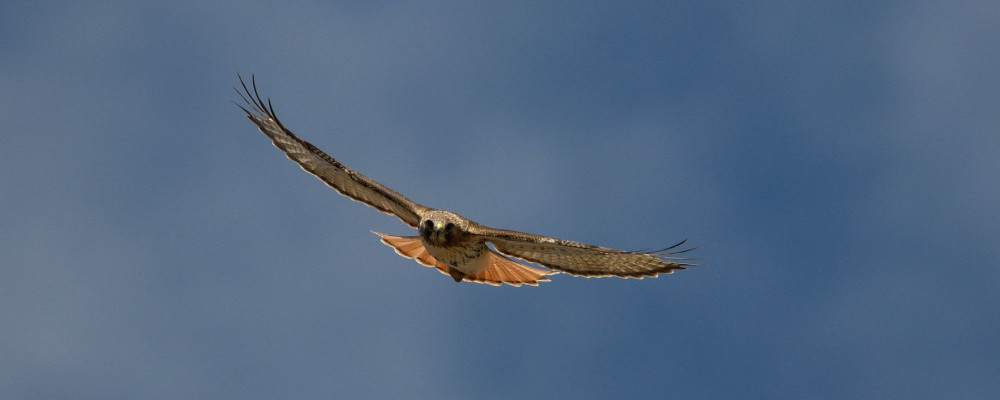
Birds of prey kill with their talons and will often eat a chicken on the spot or fly off with it. This mostly affects free-range birds unless your run is open on top. Survivors usually show missing feathers and puncture wounds. Eagle attacks are hard to identify since they grab and go, leaving little evidence. Owls occasionally strike around dusk, but it’s rare.
Mink and weasels look similar but kill for different reasons. A mink kills to drink blood, which sounds gruesome but is actually an efficient, nutrient dense meal. All it takes is a one inch hole for a mink to get into a coop, so seal up any gaps if you want to keep your birds safe.
Weasels are curious and opportunistic. They’ll kill chickens in the coop, eat eggs on the spot, pull entrails from their kills, and take more birds than they need. Missing heads on your chickens usually point to a weasel.
Canines kill in different ways. Dogs typically kill by accident, through chasing, crushing during play, or scaring a bird into a heart attack, and a dog will only eat a chicken if it’s starving. Wild canines like wolves, coyotes, and foxes will take and eat chickens outright. Feathers are usually left behind since canines kill roughly.
Felines, including bobcats and mountain lions, grab and go much like canines do, and it can be hard to tell the two apart from the aftermath. A few feathers are typically left behind. Bobcats can wipe out an entire flock in one visit if they find your birds. House cats generally leave adult chickens alone unless they’re starving, but they will take chicks given the chance.
Opossums eat eggs and chicks and will kill adult birds, usually attacking the neck and breast. They tend to eat where they kill, so expect to find bodies, feathers, tracks, and droppings that look like small, cylindrical dog waste an inch or two long.
Raccoons kill and tear chickens apart. It’s not pretty, but it’s how they operate. A raccoon will typically rip off the head and scatter parts around, and they’ll go after the crop, breast, and internal organs. A raided garbage can or bird feeder nearby is often another sign a raccoon has been around.
Snakes will eat eggs and chicks but generally aren’t a threat to adult birds, especially in the northern U.S.
Bears will eat chickens, chicks, eggs, feed, garbage, and pretty much anything else edible in their path. Look for general destruction wherever a bear has been. They mostly forage during the day, so night visits are uncommon.
Fishers are determined and capable. They can dig, chew, and climb their way into a coop, and they target the head, neck, and breast.
Along with the signs above, learn to recognize tracks and droppings from the predators common to your area. That knowledge goes a long way toward identifying what you’re dealing with.
How Do I Keep My Chickens Safe?
Not every area has every predator listed here, so tailor your defenses to what’s actually a threat where you live.
For the worst case, a bear, an electric fence around your coop is the most reliable barrier. Electric poultry fencing is straightforward to set up, and a decent 150 foot fence runs around 200 to 300 dollars.
For aerial attacks, netting over your chicken run is your best defense. Go heavier gauge if you can.
To keep weasels and similar critters out, check your coop for any gaps large enough for them to squeeze through, and cover vent holes with heavy hardware cloth or similar screening.
To stop digging predators, bury hardware cloth or heavy fencing about a foot deep around your fence perimeter.
What Steps Can I Take When A Predator Attacks?
First, assess the damage and tend to any chickens that survived. Next, fix whatever allowed the attack to happen, whether that’s plugging holes in the coop, adding netting, or putting up electric fencing. Finally, deal with the predator itself.
Many predator species are protected or have restrictions on killing, trapping, or harassing them, so once you’ve identified the animal responsible, check with your local wildlife management office before taking action. They can advise you on legal next steps, which may include arranging a relocation.
For injured chickens, move them to a safe, isolated spot to treat them. Stop any bleeding and clean wounds with an antiseptic or wound care product from a farm store, using a syringe to reach deeper wounds if needed.
Give injured birds plenty of food and water, and mixing five aspirin tablets into a gallon of water can help ease their pain. Use a wound spray according to the label directions to keep things clean while they heal, and only return birds to the flock once they’re fully recovered.
FAQ
Will raccoons really kill chickens, or just steal eggs?
Raccoons will kill adult chickens, not just take eggs. They typically tear the bird apart and target the head, crop, breast, and internal organs.
What’s the most common chicken predator?
Dogs are usually the most common daytime threat, often through accidental play rather than intentional hunting. At night, raccoons, foxes, and opossums are common culprits depending on your region.
How do I tell a raccoon attack from a fox attack?
Raccoons tend to rip the head off and scatter body parts, often near a raided garbage can or bird feeder. Foxes typically leave a cluster of feathers where the grab happened and may carry the bird off entirely.
Can I legally trap or remove a predator myself?
It depends on the species and your local regulations. Many predators are protected or restricted, so check with your local wildlife management office before taking action.
Chickens face predators day and night, and keeping them safe takes some vigilance but it’s far from impossible. Learn the signs each predator leaves behind, take steps to keep them out, and know how to care for injured birds if the worst happens.
Thanks a lot for reading. I’d love to hear what you think about what I’ve written. If you have any questions or just want to add to what I’ve said, please leave a comment below. I’ll get back to you in less than 24 hours. Take care.
Dave

Chickenmethod.com
Thank you for sharing your personal experience and insights about the different predators that can attack and kill chickens. It is helpful to know the signs of each predator’s attack, such as the area of feathers left by a fox and the missing heads from a weasel attack. Additionally, it is important to understand how to prevent predators from entering the coop or run, such as by closing off any one-inch holes to keep mink out or securing the garbage can and bird feeder to deter raccoons.
You’re welcome Anoth. It’s important to know what to do to protect your investments, however small. The best way to protect your chickens is to build or buy a solid chicken coop and run. Safe chickens are happy chickens! And forewarned is forearmed.
Stay well, Anoth