
What is a chicken’s cloaca and why does it matter?
The cloaca, also called the vent, is a single multipurpose chamber at the base of a chicken’s body that handles waste elimination, reproduction, and immune function simultaneously. It consists of three internal sections: the coprodeum for digestive waste, the urodeum for urinary waste and reproductive function, and the proctodeum as the final exit chamber. Understanding chicken cloaca anatomy and how it works helps you recognize when something is wrong, because cloaca problems often signal broader health issues before they become serious.
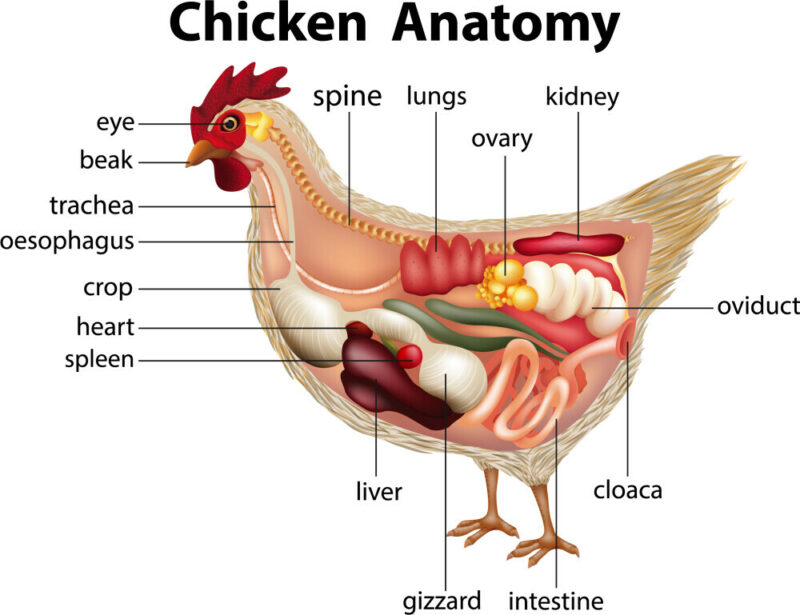
Most chicken keepers know where the vent is. Fewer understand what it actually does, which matters when something goes wrong with it. The cloaca is one of the most functionally interesting parts of a chicken’s anatomy and one of the most important to monitor.
Table of Contents
What the Cloaca Does
Mammals have separate systems for waste elimination and reproduction. Chickens do not. The cloaca handles all of it through one opening, which sounds inefficient but is actually a remarkably compact and effective biological design.
The three chambers each have a specific role:
The coprodeum is the first chamber, receiving digestive waste from the intestines. Solid waste collects here before moving forward.
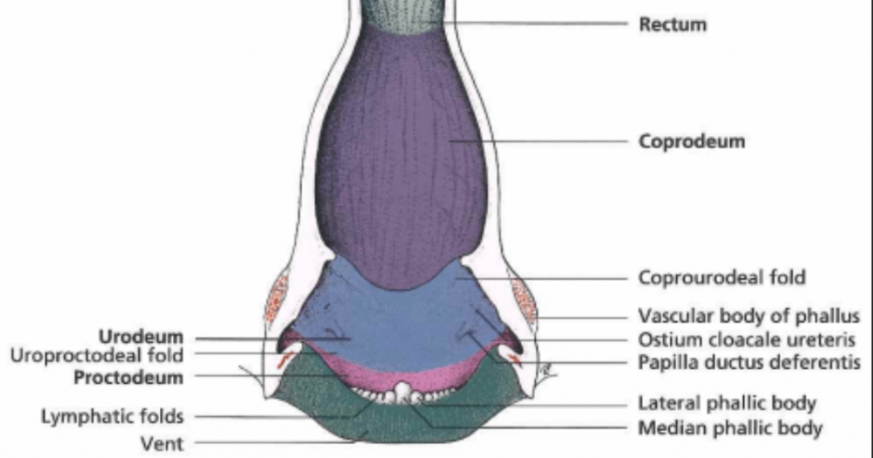
The urodeum is the middle chamber, handling urinary waste and reproductive functions. In hens, this is where the egg enters the cloaca from the oviduct just before laying. In roosters, sperm is transferred here during mating through a brief contact called the cloacal kiss.
The proctodeum is the final chamber, the holding area before waste is expelled through the vent opening. It also contains the Bursa of Fabricius in young birds, an immune organ that produces antibodies. The bursa shrinks as the bird matures but plays an important role in immune development during the first months of life.
The cloaca also functions as a respiratory surface in some bird species under extreme conditions, though this is not a meaningful factor in domestic chickens under normal management. It is an interesting example of the many facets of the chicken cloaca anatomy.
Why Chicken Cloaca Anatomy Matters for Flock Health
Because the cloaca handles so many functions at once, problems there affect more than waste elimination. A hen with a cloacal infection may have reduced laying. A bird with a prolapsed vent cannot lay normally and is in immediate danger from flock mates who will peck at exposed tissue. A bird with vent gleet is dealing with a fungal or bacterial imbalance that affects digestion, immunity, and comfort simultaneously.
The vent area is also one of the easier places to observe changes during a routine health check. Redness, swelling, discharge, crusting, or visible tissue are all signs worth acting on. Making it a habit to glance at the vent when you handle your birds catches problems early.
Common Cloacal Health Problems
Vent gleet is the most common cloacal disorder in backyard flocks. It is an inflammation of the cloaca caused by a yeast or bacterial imbalance, sometimes triggered by antibiotic use that disrupts normal flora, poor diet, or chronic stress.
Signs include a white or yellowish discharge around the vent, redness, swelling, and a foul odor. I have a full article on vent gleet on the site that covers treatment in detail.
Vent prolapse is more serious and requires immediate attention. Part of the cloaca or oviduct protrudes outside the body, usually after straining during egg laying. Once tissue is visible outside the vent, other birds in the flock will peck at it. Isolate the affected bird immediately.
Treatment involves gently cleaning the tissue, applying a lubricant like petroleum jelly, and attempting to reinsert the prolapse while the bird is calm. Severe or recurring prolapses require a vet. I have a full article on prolapsed vent as well if you need the step-by-step.
Pasted vent is a common issue in chicks rather than adult birds. Droppings stick to and dry around the vent opening, blocking it entirely. Check chicks daily in the first week, particularly if the brooder is too hot or the diet is off. Gently soften and remove the blockage with a warm, wet cloth. It resolves quickly when caught early.
Cloacal impaction occurs when material accumulates inside the cloaca and cannot pass. It is less common than the above conditions but serious when it occurs. A hen that is straining without producing droppings or an egg warrants a close look and likely a vet call.
Prevention Through Management
Most chicken cloaca anatomy health problems are preventable through consistent basic management.
Keep the coop clean and dry. Wet litter and accumulated manure are the primary sources of bacterial and fungal contamination that cause vent gleet and similar conditions. Change bedding regularly and ensure the coop has adequate ventilation to prevent moisture buildup.
Feed a balanced diet. Nutritional deficiencies and excessive starchy treats both affect digestive health, which shows up in the vent area. Consistent access to quality layer feed, clean water, and grit keeps the digestive system functioning properly.
Provide adequate space. Overcrowding increases stress and the likelihood of pecking behavior, including pecking at vents. A bird with a minor cloacal irritation in a crowded environment becomes a target quickly.
Monitor your flock regularly. A quick visual check of the vent area during routine handling catches early signs of trouble before they escalate. Redness, discharge, or behavioral changes like straining or tail bobbing are all worth investigating promptly.
I hope you enjoyed your journey through the chicken cloaca anatomy. Chickens are amazing creatures!
Dave

Chickenmethod.com
Frequently Asked Questions
What is the difference between the cloaca and the vent?
They refer to the same structure. The cloaca is the internal organ with its three chambers. The vent is the external opening through which waste, eggs, and reproductive material pass. Most keepers use the terms interchangeably, and both are correct in context.
Can you tell a chicken’s health by looking at the vent?
Yes, to a meaningful degree. A healthy vent is clean, dry, and free of redness or discharge. Swelling, crusting, discharge, or visible tissue all signal a problem worth investigating. Making vent checks part of your routine handling is one of the simplest and most useful chicken cloaca anatomy health monitoring habits you can develop.
What causes vent gleet in chickens?
Vent gleet is most commonly caused by a yeast overgrowth, specifically Candida, in the cloaca. Contributing factors include antibiotic use that disrupts normal flora, a diet high in sugar or starch, chronic stress, and poor coop hygiene. I have a full article covering causes, treatment, and prevention on the site.
Is a prolapsed vent an emergency?
Yes. Once tissue is visible outside the vent, the bird is at risk from flock mates who will peck at it, and from infection and further tissue damage. It is a very sensitive part of chicken cloaca anatomy. Isolate the bird immediately and begin treatment or contact a vet. Do not leave a bird with a visible prolapse in the flock.
What is the Bursa of Fabricius?
The Bursa of Fabricius is an immune organ located near the proctodeum in young birds. It produces B lymphocytes, which are critical to antibody development and immune function in the first months of life. It shrinks and becomes inactive as the bird matures. Infectious Bursal Disease, also called Gumboro disease, specifically targets this organ in young chicks and can severely compromise immune development if birds are not vaccinated.