

Why Do Chickens Stop Laying Eggs?
Chickens lay consistently for 2 to 3 years, but production naturally slows and eventually stops with age; other factors can also cause a drop. Stress, molting, illness, injury, and parasites all play a role. Knowing the cause helps you decide whether you can fix it or let it run its course.
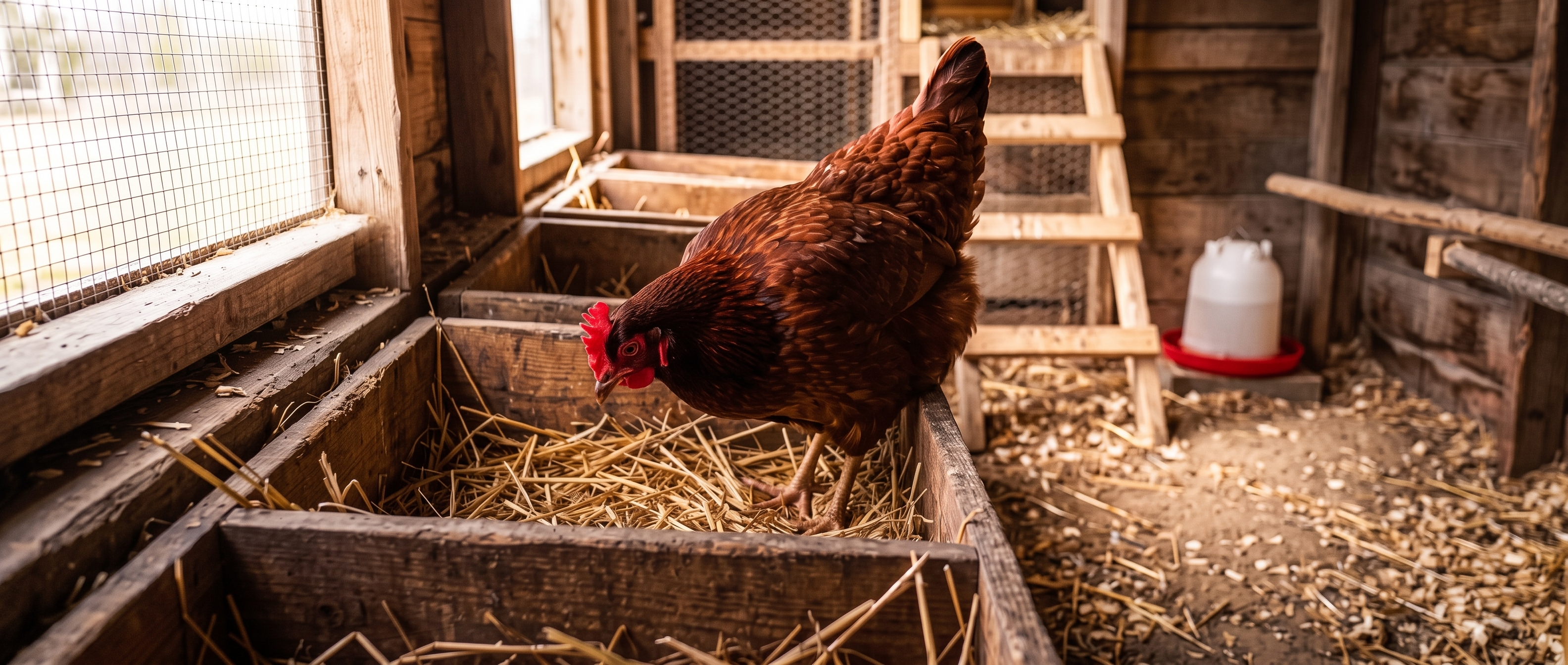
I had a flock several years ago, back when I was living somewhere other than the Lone Raven farm where I am now. Determined to protect my free-range chickens, I’d hang out on the porch or lawn whenever I could. I made sure to be home before dark, and if any birds decided to sleep outside, I’d carry them into the coop myself, one by one.
No matter what I did, I couldn’t stop a fox from killing my entire flock. At one point, the fox ran right out into the yard in the middle of the day and took a chicken right in front of me. I ran as fast as a 50-year-old, out-of-shape man could, yelling my head off, and son of a gun if that fox didn’t actually drop Autumn, that chicken’s name, before it took off.
Autumn survived one more fox attack after that before the fox finally got her for good. Turned out the fox was raising kits, which is why she was out during the day. Could’ve been the tod or the vixen too. They both help rear the young. That’s just what foxes do. Can’t really hate them for it.
Table of Contents
What Happens When Chickens Get Old?
Aging works in a chicken about the same way it works in most creatures. As metabolism slows and ovulation decreases or stops altogether, egg laying winds down. This usually happens after 3 years. You can’t slow down time itself, but you can help your chickens lay longer; more on that below.
You might assume an old chicken is useless and should be ignored, eaten, or euthanized. Older chickens are actually still quite valuable. They’re wise. They’ve been around the barnyard long enough to get genuinely good at spotting predators.
They also eat a lot of bugs, including disease-carrying ticks. There are plenty of ticks in my area, but I have to actually get out into the weeds to find them, because my girls, of all ages, don’t miss much when it comes to food.
Chicken Stress

Chickens are easily stressed, scared, surprised, or thrown off, hence the phrase “you’re such a chicken.”
When a chicken is stressed, egg production drops for a while. Depending on the cause, she’ll get over it and start laying again. If the stress is chronic, lack of food and water, for example, she won’t lay again until that’s resolved and stays consistent.
A dog constantly harassing your chickens can be a real source of stress. Fortunately, my own dogs get along well with my flock. I actually think they bring the birds some comfort. I wish I could speak chicken to confirm that for sure.
Extreme heat is another cause, and depending on where you live, it can become a chronic stressor. If that’s your situation, take real steps to cool your chickens down.
Removing a rooster can stress out your laying hens too. Don’t assume they’re not social enough to notice a missing flock member. They are. During the fox attacks I mentioned, the girls laid the whole time very sporadically.
And then there are predators. Any attack can tank egg production for a stretch, usually under a week before things settle back down.
When Do Chickens Molt?
Molting is when a chicken sheds its feathers and grows fresh, higher-quality ones to help it through winter. The cold doesn’t trigger it. Daylight length triggers it, and it happens every fall without fail.
Egg production drops for the 8 to 16 week molting period. You can support your flock nutritionally through it. Once you notice feathers coming out, switch to a complete feed with 20 percent protein, along with probiotics, prebiotics, and key vitamins and minerals. This keeps the birds healthier during the process and speeds recovery.
Disease and Injury
Mites or lice can drag down egg production on their own. A serious illness like avian influenza is a different story entirely. At that point, you’ll be lucky to have chickens at all, let alone eggs.
Watch for persistent sneezing, constant preening, lethargy, or a sudden stop in laying. These can all point to illness or infestation. If you can’t figure out what’s going on, it’s time to see a veterinarian.
Chickens can stop laying for many reasons. Knowing the possible causes helps you tell whether you can fix it or just wait it out.
A Few Sidenotes
Some breeds lay better than others. White Leghorns and Rhode Island Reds are both strong, reliable layers.
Keeping your coop clean and free of infestations and predators goes a long way toward lowering stress levels, which helps your flock lay consistently.
Older chickens make genuinely fine pets too. Spend a few minutes with them each day, and they’ll grow to trust you and actually enjoy your company.
And finally, when all else fails, chicken and dumplings, chicken soup, and chicken and biscuits are all solid meals for an old bird. Just know they’re not suited for frying, roasting, or the grill. They’re too stringy and tough for that by that point.
If that’s too much for you, and I completely understand if it is, you can always rehome your birds instead.
FAQ
At what age do chickens stop laying eggs?
Most breeds lay consistently for about 2 to 3 years before production naturally slows, typically dropping off further after that point with age.
Can stress really stop a chicken from laying?
Yes. Stress from predators, extreme heat, losing a flock member, or inconsistent food and water can temporarily reduce egg production. It usually picks back up once the stressor is resolved.
Does molting affect egg laying?
Yes. Chickens typically stop or significantly slow laying during the 8 to 16 week molting period each fall, which is triggered by shortening daylight rather than the cold itself.
What breeds are known for being strong egg layers?
White Leghorns and Rhode Island Reds are both known for consistent, prolific laying.
Thanks for reading this. I always appreciate comments. Leave one below if you’d like to. I’ll get back to you within a day, for sure.
Dave

Chickenmethod.com
Thanks for posting this. I had no idea that hens actually stop laying eggs. I figured that it was a lifelong process for them. The last time I raised chickens was when I was 10, 45 years ago. My parents never told me that fact. As for stress, I thought chickens were just naturally skittish animals and never really considered that. Thanks for sharing!
The better you get to know chickens, the more you can see their different personalities. Stress really affects chickens a lot. it seems like every little thing upsets them. That is why it is a good idea to spend time with them.
Factory farms only keep their hens for a couple of years. Most are then euthanised and either sent for rendering to be converted into protein meal for feed or turned into pet food.
The amount of light that chckens get plays a large roll in egg production and molting. Most people don’t realize this. Chickens’ lives are shortened due to force-laying by providing artificcial light on timers.