

What do different chicken sounds mean?
Chickens have a surprisingly complex vocal system. Chicken communication sounds include the egg song after laying, urgent alarm calls for predators, contented clucking during foraging, broody hen growls when disturbed on the nest, rooster crowing for territory and alerts, and baby chick peeping for warmth and attention. Learning to recognize these sounds helps you respond quickly when something is wrong and gives you a much clearer picture of what is happening in your flock at any given moment.
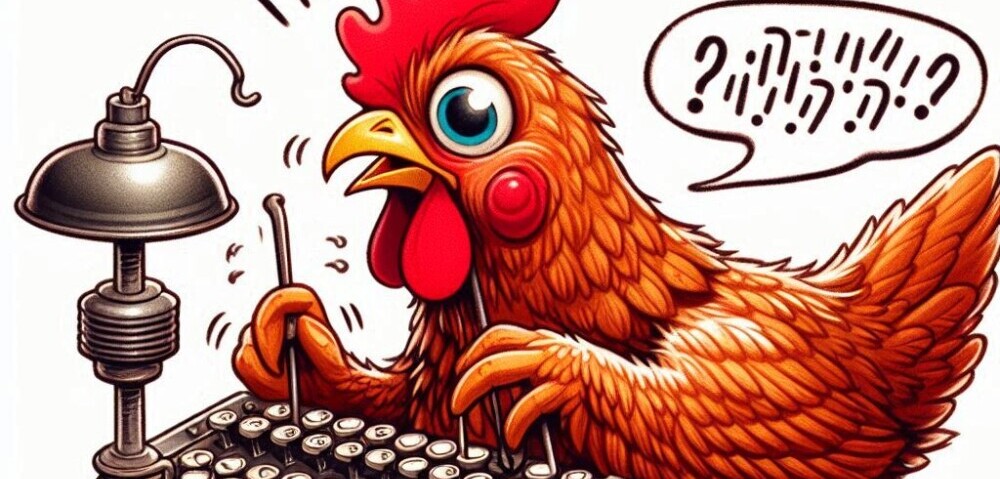
Chickens have a lot to say.
Most people who have not kept them assume they cluck and crow, and that is about it. Spend a few weeks around a flock, and you start to realize there is a lot more going on.
Each chicken communication sound has a purpose, and once you start recognizing them, you will find yourself responding to things you would have walked right past before.
Table of Contents
The Egg Song
This is the sound most new keepers notice first.
As the egg-laying process begins, a hen will start “moaning”. The moan is a long, low sound that I can only compare to a person saying “oh no, oh boy, uh-oh, something’s happening”.
After a hen lays an egg, she announces it.
Loudly!
The cackle starts on the nest and continues as she gets off, and it almost always sets off the other hens in the flock, who join in for reasons that remain genuinely unclear to me. It can go on for several minutes.
It is neither distress nor a problem. It is just what they do. If you have close neighbors, the egg song is one of the chicken communication songs worth mentioning when you get your first flock.
Alarm Calls
The alarm call is unmistakable once you have heard it. It is rapid, escalating, and insistent, a bukbukbukbukBUKAWWK that repeats urgently and does not stop until the threat is gone or the flock settles.
Chickens have distinct alarm calls for aerial and ground threats, and the flock responds differently to each. An aerial alarm sends birds scrambling for cover under bushes and overhangs. A ground alarm produces a tighter huddle and a lot of agitated movement.
I was sitting inside one afternoon when my girls started going off. I went out to find a fox circling the yard.
That call gets you out of your chair.
My big Pitbull Chip has trained himself to react to it. He looks at me, and when I head for the door, he gets there first. He does a perimeter check, chases whatever needs chasing, and comes back panting and satisfied.

The relationship between Chip and the flock is not all peaceful on his end. He takes particular delight in running through them once a day to watch them scatter. He only does it once, so I let it go. We all get along.
Contented Clucking
The background chicken communication sound of a happy flock is a steady, unhurried chuck-chuck-chuck. It is the sound of birds foraging comfortably and keeping track of each other’s locations. Not fast, not high-pitched, just conversational.
When you walk out to the coop, and this is what you hear, everything is fine. It is the baseline you are listening for. When it is missing or replaced by something sharper and more agitated, start looking for the reason.
The Broody Hen
A hen that has gone broody and is sitting on a nest makes two sounds worth knowing.
The first is a hiss that warns you she does not want to be disturbed. The second is a growl, lower and more serious, that means she is ready to back the warning up with a peck.
Approach a broody hen without expecting this, and you will learn quickly.
If you need to reach under her for eggs, use the back of your hand rather than your palm. The peck lands on your knuckles instead of the softer skin underneath. Small tip, genuine difference.
Rooster Sounds
When thinking about chicken communication, the rooster is the first thing that comes to most people’s minds.
Roosters are more vocal than most people expect, beyond the crowing.
The crow itself is territorial and communicative. It announces the rooster’s presence, stakes out his range, and is triggered by light, sound, and other roosters. Once one starts, nearby roosters tend to respond. There is no quiet solution to this if you keep a rooster.
Beyond the crow, roosters make a soft, low cooing sound when they find food they want to share with the hens. I have a Light Brahma rooster who gargle-coos when he locates something worth eating.
It is subtle, barely audible, but the hens come at a trot every time. That sound is one of the more interesting things I have noticed about keeping chickens. He finds food, he calls them, and they come. It is a real social behavior that most people who have not kept roosters never see.
Roosters also produce a sharp, rapid cluck when they spot an aerial threat overhead. This differs from the general alarm call and tends to send the hens directly into cover rather than eliciting the running and grouping behavior of a ground-threat alarm.
How’s that for chicken communication?
Baby Chick Sounds
Chicks have their own vocabulary from the moment they hatch.
A soft, steady peep means they are comfortable and content. A louder, more insistent chirp means something is wrong: they are cold, separated from warmth, or cannot find food or water. A panicked, penetrating cry means they are in genuine distress and need immediate attention.
Pay close attention to chick sounds in the first week.
A chick that is cold and cannot get warm will peep insistently and then go quiet, which is worse than the peeping.
Keep the brooder at the right temperature, make sure all chicks can access the heat source, and respond to distress calls quickly. You can hear chicks peeping inside eggs in the last day or two before hatching. Once you have heard it, it is a chicken communication you will always recognize.
Why Understanding Chicken Communication Matters
The practical value of learning your flock’s chicken communication vocabulary is that problems announce themselves before they become serious.
A fox in the yard triggers an alarm call. A chick that is too cold starts peeping. A hen in pain or distress vocalizes differently from a hen going about her day. None of these sounds are subtle once you know what to listen for.
Spend time around your birds. Not just checking in and leaving, but sitting with them for a while. The patterns become obvious over time, and that familiarity is one of the more useful tools you have as a keeper.
Take care.
Dave

Chickenmethod.com
Frequently Asked Questions
Why do chickens make so much noise after laying an egg?
The egg song is an instinctual announcement that a hen makes after laying. It sets off other hens in the flock who join in, apparently in response to the sound rather than any direct purpose. The exact reason is not fully understood. It is normal, harmless, and occasionally very loud.
What does it mean when a chicken makes a low growling sound?
A low growl almost always comes from a broody hen warning you to back off from her nest. It is a step up from the hiss she produces when first disturbed and usually precedes a peck if you continue. Handle broody hens carefully and expect the warning.
How do I know if my chickens are stressed?
Stressed birds vocalize differently from content ones. Listen for sounds that are sharper, faster, or more persistent than the normal contented clucking of a foraging flock. Other signs include birds staying grouped rather than spreading out to forage, reduced activity, and changes in egg production.
Do roosters make sounds other than crowing?
Yes. Roosters produce a soft cooing or clucking sound when they find food they want to share with hens, a sharp, rapid alarm call when they spot aerial threats, and various other vocalizations during mating behavior and territorial interactions. The crow is the loudest and most noticeable, but not the only meaningful sound they make.
Can you tell individual chickens apart by their sounds?
With time, yes. Experienced keepers often recognize individual birds by their vocalizations, particularly hens with distinctive egg songs or roosters with unusual crow patterns. It comes with familiarity and is one of the more interesting aspects of spending real time with a flock.