Top Egg Cartons Reviews And Complaints – Your Guide To Best and Worst Materials for Your Backyard Flock
If you gather eggs, whether you run a backyard flock or supply eggs at a small commercial scale, picking the right egg cartons matters. Getting eggs from Point A to B safely is important, and egg cartons help keep eggs safe, make your packaging look inviting, and can even help you cut back on waste.
After checking out many brands and reading through a pile of reviews and complaints, I’ve gathered the info you’ll want if you’re hunting for the best cartons or trying to dodge the most common headaches.
Here’s a quick snapshot of how I rate some of the most popular egg cartons.
Popular Brands Covered: EggCartons.com, Pactiv Evergreen, My Pet Chicken, Amazon Basics, and a handful of off-brand suppliers.
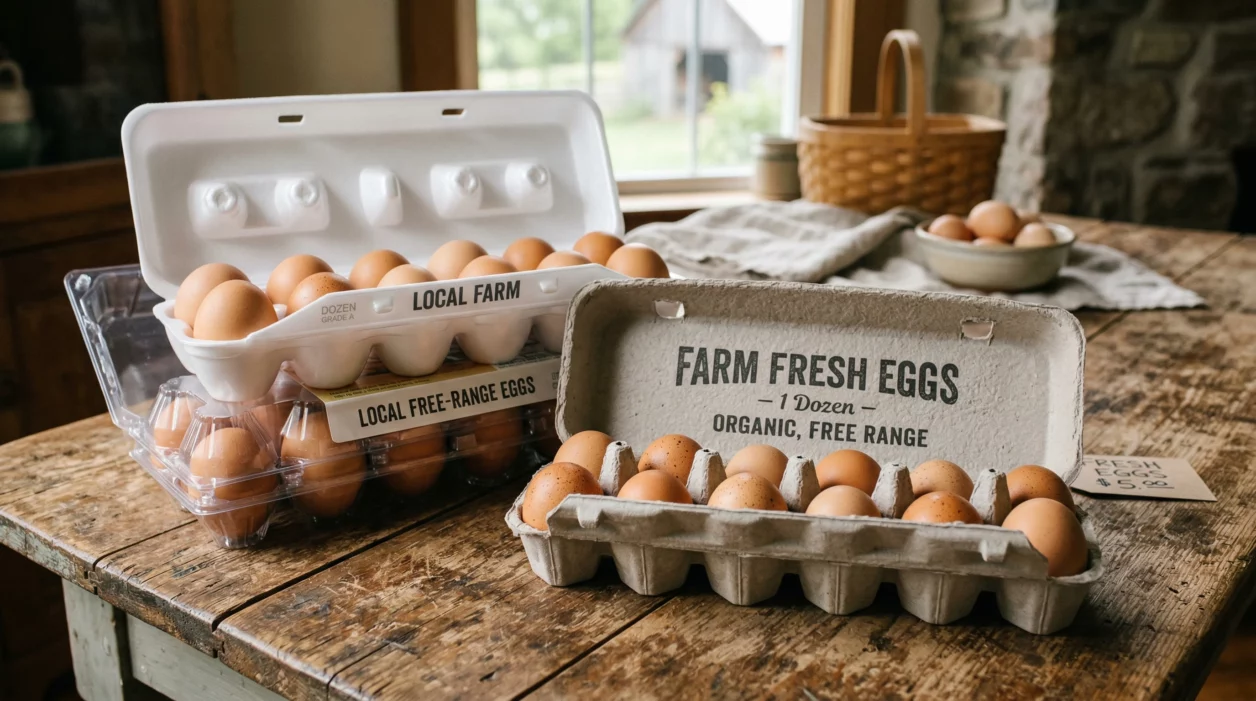
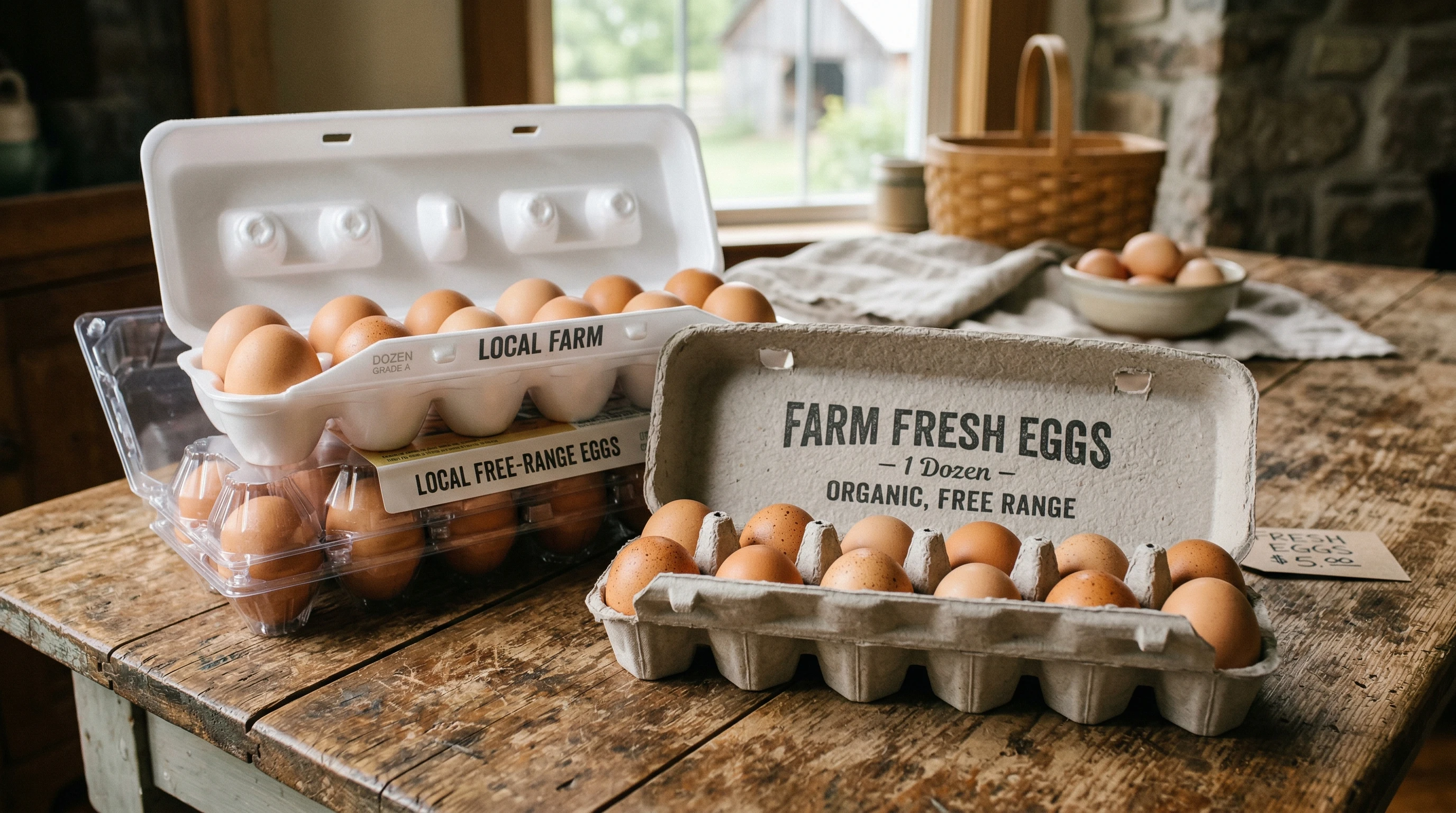
Main Materials: Molded pulp (paper), plastic (usually PET), and foam (polystyrene).
Capacity: 6-, 12-, 18-, and 24-egg cartons are the most common.
Price Range: $0.10–$1.20 per piece, with bulk discounts available.
Consumer Ratings: 3.5/5 to 4.8/5 (based on retail and farm supply site trends).
Recyclability/Compostability: Varies by material.
User Complaint Trends: Flimsy hinges, crushed corners, misadvertised sizes, poor latching, and difficult labeling. More on those little details in a minute.
Getting to Know Egg Carton Materials
Before picking a carton, it’s really important to know the different material options. Each comes with its own positives and negatives:
Molded Pulp (Paper) Egg Cartons
- Made from recycled paper, cardboard, water, and fibrous materials.
- The process is like papier mâché. Paper is pulped to a slurry, then formed and dried in molds.
- Biodegradable, compostable, and typically recyclable (check your local program).
- Offers decent cushioning for daily egg transport.
- Absorbs moisture, so not the best in wet environments or when you put wet eggs right after washing.
Many backyard keepers love these cartons for their eco-friendliness. Reviews mention the classic look and grippy texture. Most customers are satisfied with their toughness for market sales. Damp storage can be a weak spot.
A big plus of molded pulp cartons is the many craft uses they have. From seed planting to artwork, molded pulp has been beloved for decades.
Plastic (Usually PET) Egg Cartons
- Usually made from clear PET plastic; some use recycled PET (rPET) for a more earth-friendly option.
- Moisture-proof and lightweight.
- Fully recyclable in many areas (always check your local recycling).
- Not biodegradable, so if they land in a landfill, they stick around.
- Clear material gives you good visibility. Buyers can check egg quality and cleanliness without opening the carton.
Reviewers appreciate how plastic cartons help keep eggs fresher for longer due to their tight seal. There’s a divide here. Farmers at markets often appreciate the eye-catching presentation and clear visibility, but people looking for eco-friendly options are frustrated by plastic waste.
I have a confession to make, and it is testimony to my own hypocrisy. I am biased toward non-plastics. My home is full of it, but I am also aware of the ecological disaster that plastics have brought to our beautiful planet.
Here’s the lowdown on PET and rPET.
| Category | PET (Virgin) | rPET (Recycled) |
|---|---|---|
| Source Material | Made from fossil fuels | Made from post-consumer PET waste |
| Clarity | Crystal-clear, no tint | Slight blue/grey tint; often corrected with toner |
| Performance | Highly consistent; strong clarity and stiffness | Nearly identical performance; may need slight process adjustments |
| Environmental Impact | Higher carbon footprint | Up to 79–82% lower CO₂ emissions |
| Cost | Lower, stable supply | Typically 15–30% higher due to recycling steps |
| Regulatory Advantage | Meets food-contact standards | Helps meet recycled-content mandates; reduces plastic taxes |
| Color Consistency | Very stable | Some variability depending on feedstock quality |
| Supply Chain Reliability | Predictable availability | Dependent on recycling rates and infrastructure |
Foam (Polystyrene) Egg Cartons
- Formed from petroleum-based polystyrene beads that are expanded in a mold—think coffee cups or coolers.
- Very lightweight, cheap, and insulates against temperature changes.
- Hardly recyclable and not biodegradable. A few city programs accept clean foam, though it’s rare.
- Common in grocery stores since they’re sturdy and protect eggs in transit.
The biggest complaints about foam revolve around environmental impact and breakage at the hinges.
On the plus side, these cartons are great for folks who prioritize keeping eggs intact during shipping or anyone who needs a budget-friendly option. Several reviews mention an initial chemical smell, but it fades after some airing out.
Leading Egg Carton Brands Review
Brands matter, especially if you use cartons regularly. Certain names keep popping up online, both for praise and for complaints. I’ve picked a few worth checking out, sharing what works and what could be better.
EggCartons.com
EggCartons.com mainly serves backyard poultry keepers and small farms, but you’ll find school programs and egg-crafters shopping, too. The brand covers every size and style, including blank, pre-labeled, and custom-print, and ships around the US.
Pros: Durable molded-pulp cartons in multiple colors, such as blue, green, orange, and more; solid per-piece pricing for small quantities; and very helpful customer service. Plenty of buyers say it’s easy to find what they want, whether for large or small orders.
Cons: You’ll find a few complaints about order delays at peak times and some batches with weaker corners. Color strength may vary from batch to batch. Some say bulk pricing doesn’t always beat Amazon on giant orders.
Most reviewers say the cartons fit standard and even slightly larger eggs, though folks with duck or jumbo chicken eggs mention some cartons are a tight squeeze.
Fortunately, EggCartons.com sells duck egg cartons, too!
Pactiv Evergreen
Pactiv is a big supplier selling through farm stores and Amazon. They provide all three materials (paper, plastic, foam), and their cartons are everywhere, including supermarkets.
Egg cartons are not Pactiv Evergreen’s sole business. You’ll find many packaging types when you visit their site.
Pros: Solid build for plastic and foam models. Paper cartons come flat and stack easily. Latches are generally reliable.
Cons: Some buyers found the “premium” cartons thinner than expected. Certain plastic models get called out for tricky hinges, and some foam types don’t stack well when piled high.
If you’re shopping for a small business, test a few before buying huge quantities. That’s a tip I spot frequently in reviews and on chicken forums.
My Pet Chicken
Popular with backyard chicken keepers, My Pet Chicken offers classic 12-egg cartons, colorful options, and even bulk plain paperboard trays for larger flocks.
Pros: Henlay egg cartons with vintage designs, room for personal stamps, and split-apart cartons. Savings are achieved by buying in bulk. Quick shipping, careful packaging. Cartons feel sturdy and reliable.
Cons: Price per carton is higher than that of more basic suppliers. A buyer mentioned that the cartons weren’t big enough for duck eggs.
The sturdy feel and lasting power for reuse get lots of praise, especially among those reusing cartons for their flock.
The people at My Pet Chicken are very friendly and helpful.
Amazon Basics & Off-Brand Imports
Amazon’s house brand and numerous imports dominate the budget side. These show up everywhere in six- and twelve-egg versions at great prices, especially for bulk packs.
Let’s face it, Amazon has so many options, it’s hard to pick one. Their pricing is hard to beat, and shipping is fast. If you want to choose American-made, at a good price, check out these cartons. As an Amazon Associate, I earn from qualifying purchases at no extra cost to you.
Pros: Inexpensive, ships fast, and good enough for single use or home storage.
Cons: Quality control varies—lots of complaints about splitting corners, weak molded pulp, and mis-sized cells (especially for larger eggs). If you’re selling eggs, check fit and presentation before committing.
Reviews are mixed, but these cartons prove popular for folks who want the cheapest, safest way to keep eggs in the fridge and aren’t worried about a professional look.
How to Pick the Best Egg Carton for Your Needs
If you’re after the straight answer, the best carton for you depends on what’s most important: ecocredentials, durability, price, or a good look. Here’s how I break it down for different uses:
- Selling at markets or local shops: Molded pulp is my pick. They are earth-friendly and easy to label. Medium- to heavy-weight is best for stacking or shipping. The lightest versions may not hold up well.
- Fridge or home storage: Plastic or foam is often more practical, especially if you want to spot-clean eggs and reuse the same carton repeatedly with minimal wear.
- Bulk shipping: Rigid plastic and foam survive rough handling and high storage better. Just remember to weigh environmental costs if that matters for your brand or home.
- Specialty eggs (duck, quail, etc.): Always check that the carton notes which breeds or egg sizes it fits. A common complaint I found among unfavorable reviews is that egg cartons are too small for duck eggs. Email suppliers for exact inside measurements before buying lots.
Labeling, Customizing, and Egg Carton Presentation
How your carton looks can really matter, especially for gifts or resale market tables. Here’s what has worked for me in helping my eggs stand out:
Blank pulp cartons are best for stickers and stamps. The rough texture grabs ink and labels well. Give the top a quick wipe before applying. A nice label can make your cartons POP! compared to the competition.
Plastic cartons accept labels on flat spots. Some folks use inside-lid flyers for recipes or farm info. Markers usually don’t work as well unless you add tape over the writing.
Slick foam and plastics often need ultra-sticky labels or a layer of tape to hold stickers in place.
Custom-printed cartons are available online, with setup minimums for branded full-color jobs. Great idea for recurring customer sales, but keep the minimum order size in mind.
What to Watch Out For When Ordering Bulk or Small Quantities
Large carton orders save a lot of cash, but small packs are useful for testing or seasonal needs. Here’s what to check:
Bulk buys: Always read up on return policies for missing or damaged items and scan recent shipping reviews. Some brands double-box and add fillers, others skip these, which sometimes leads to dented cartons on arrival. Even good suppliers can have the odd damaged shipment, but most will resolve it quickly.
Small packs: Cost more per carton, but perfect for mixing up your look or if your flock is small. Farm supply chains or backyard poultry sites often have multicolor packs for variety. Always factor in shipping. It can double your price fast on a tiny order.
Best Practices for Reusing and Recycling Egg Cartons
If you’re reusing cartons, a few safety and hygiene habits are important:
Always check reused cartons for cracks, leftover eggshell, or grime before refilling or passing along.
Don’t reuse cartons if there are cracks, stains, or strong odors.
If you’re gifting or selling eggs (and your local laws allow reused cartons), apply a new label each time. Commercial sales sometimes require brand-new cartons. Always check your local food code.
Paper cartons are great for crafts and gardening: Clean, dry molded pulp is perfect for seed starting and art projects.
When ready to toss, compost paper cartons or recycle if your town accepts them. Plastics usually go in curbside bins, but foam is less likely to be accepted and often needs a specialty drop-off.
Frequently Asked Egg Carton Questions
I get asked a lot of the same questions about egg carton shopping, so here are some of the most common with my go-to answers:
- Are all egg cartons food safe? Nearly all retail cartons are, but check for certifications when importing. Look for “FDA food-contact approved.”
- Why do new cartons smell weird? It’s from manufacturing, mostly with certain plastics and foams. Let them air out, or choose paper cartons if you’re sensitive to smells. Some paper stinks, too. My advice is to switch brands. You don’t want people to think it’s your eggs that smell “funny”.
- Which carton size do I need? Standard chicken eggs fit most 12-egg cartons, but larger or smaller eggs need special options. Double-check the inner cup size, especially for duck or quail eggs.
- Can I reuse cartons for selling eggs? That depends on the state. Some let backyard producers reuse clean cartons with relabeling, others demand brand-new cartons for every sale. Check local health codes.
- Compostability? Molded pulp is usually safe for compost. Avoid composting plastic or foam. Those won’t break down.
- Best bulk deals? Direct-from-manufacturers or farm supply stores offer the lowest prices for large orders. Take note of shipping costs, which can add up in a hurry.
- Cartons for specialty eggs? Yep—6, 15, 18, 24, 30-egg versions are out there, and specialty brands make cartons for quail and duck eggs. Always check measurements before buying in bulk.
Egg Cartons and Sustainability
Eco-friendly packaging is more popular than ever, and suppliers are starting to respond. Here’s what’s new in 2026:
- Molded pulp leads the way for zero-waste-minded customers. Options now use 100% recycled paper and water-based adhesives.
- Recycled PET: An increasing number of cartons use rPET, helping to reduce virgin plastic use. Packaging usually highlights this fact.
- Foam’s popularity is declining due to recycling challenges and a slow rate of breakdown.
- Certifications: Look for official seals or claims about compostability and recycled content. Third-party certifications are a good sign.
If you want packaging that lines up with your values, molded pulp and recycled PET are your best bets right now. I give extra credit for suppliers who participate in local recycling or carton-return programs.
My Top Picks for Which Egg Cartons Actually Deliver
After loads of research and hands-on use, here’s how I’d recommend deciding on your choices:
- Most reliable for farm stands and market sales: EggCartons.com’s heavy paper molded pulp (12- or 18-egg sizes).
- Best for crafts and special events: Blank pulp cartons from Amazon or My Pet Chicken (great for customizing with personal touches).
- Top choice for clear presentation: PET plastic cartons from Pactiv. Look for rPET for an eco-bonus.
- Biggest saver for home use: Amazon Basics or off-brand bulk packs. Just check your first batch before using for sales.
- Best for non-standard eggs: Go with brands advertising “duck egg” or “quail egg” fits, and always ask fellow farmers for trusted sources.
For gifting or selling, classic molded-pulp cartons are my favorite thanks to their solid labeling and earth-friendliness. I won’t use anything else.
Final Thoughts and Where to Buy
There’s no one-size-fits-every-flock answer. Material, size, and price all depend on your specific use. Still, you can side-step most hassles by reading up-to-date reviews, double-checking measurements, and starting with small orders when testing a new supplier.
Best places to shop? EggCartons.com, farm supply stores (like Tractor Supply), online craft retailers, plus, if you like good deals, Amazon and eBay (just keep an eye on reviews and return terms).
If you have a carton you absolutely love (or hate), drop a comment below. That kind of firsthand feedback is what really helps folks land on the right egg carton for their own flock, no matter the size.
Happy packing, and good luck with your eggs!
Dave

Chickenmethod.com