

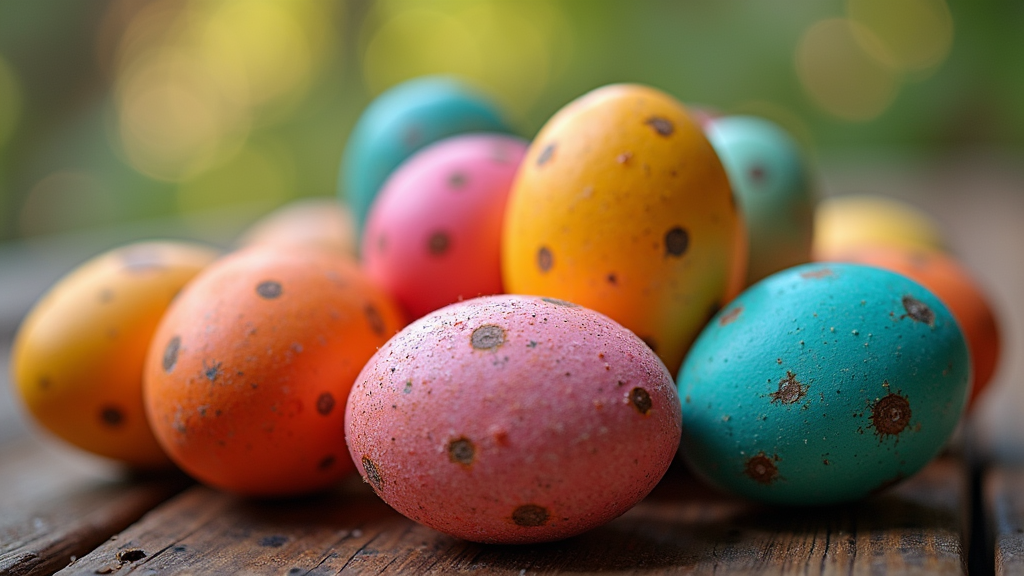
Chickens that lay colorful eggs offer a fun twist to any backyard flock. The egg colors vary from serene shades of blue and green to rich browns and even rare pinks. If you enjoy a splash of color at breakfast, choosing the right breeds can make your mornings more exciting.
This article covers eight distinct chicken breeds known for their colorful eggs. We will check out the unique characteristics of each breed, explain the genetic factors behind egg color, and offer ideas for building a diverse and vibrant flock.
1. Ameraucana – Blue and Beautiful
The Ameraucana is well known for laying blue eggs. These chickens have a charming appearance with puffy cheeks and a small beard that gives them a distinctive look. Their blue eggs add a brightness to your egg basket that stands out from the everyday brown options.
People choose Ameraucanas not only for the color of their eggs but also for their friendly and hardy nature. They adapt well to different climates and are known to be quite social in a flock. Many backyard chicken keepers appreciate their calm demeanor and consistent egg production.
What to Expect:
- Striking blue eggs with a subtle tint of green.
- Unique facial features, including a beard and muffs.
- Reliable layers that do well in free-range settings.
Adding Ameraucanas to your flock is a great way to start a collection of colorful eggs. Their blue eggs can be a conversation starter at family breakfasts or local farmers’ markets.
2. Araucana – Nature’s Blue Egg Producer
Araucanas are another breed famous for producing blue eggs. Their most eye-catching feature, apart from the egg color, is their small tail. Instead, they sport tufts of feathers near their ears, which make them easily recognizable.
These chickens have a mysterious origin and are cherished for their unique appearance as much as for the next-level cool eggs they lay. Araucanas tend to be spirited and curious, making them playful additions to any backyard flock.
Key Characteristics:
- Beautiful blue eggs that range in shade.
- Distinctive ear tufts and a bobbed tail.
- Energetic and inquisitive behavior.
For those who want a bird that stands out both in looks and performance, Araucanas are a popular choice. Their striking appearance pairs well with their consistent production of colorful eggs.
3. Easter Egger – A Palette of Possibilities
Easter Eggers are not technically a standardized breed but a mixed type that offers variety in egg color. Known for their ability to produce eggs in blue, green, or even pink tones, they are a wild card in your flock.
The genetic diversity of Easter Eggers means no two eggs might look exactly alike. While they share many traits with other blue egg layers, they have earned a reputation for unpredictability. This aspect adds a fun twist, especially if you’re looking for surprise colors each time your hens lay eggs.
Highlights:
- A range of egg colors from blue and green to pink hues.
- Friendly, adaptable birds that perform well in most environments.
- Great for those who appreciate variety and spontaneity.
If you want to add a little mystery to your egg basket, Easter Eggers can bring a delightful range of colors to your table.
4. Olive Egger – The Olive Touch
Olive Eggers are prized for laying eggs with a unique olive-green tint. This breed is typically a cross between breeds that lay blue eggs and those that lay brown eggs, resulting in a truly unusual hue.
Owners who choose Olive Eggers often do so for their exotic egg color and the novelty of having a truly uncommon egg in their collection. Their olive eggs can be an attractive addition to both the kitchen and the dining table.
Why They Stand Out:
- Eggs with a subtle olive-green hue.
- Result from crossbreeding, which highlights the versatility of genetics.
- Provide an unexpected variation in color compared to traditional eggs.
This breed is a delightful choice if you want eggs that are a bit different from the norm. The olive color is both unexpected and charming.
5. Starlight Green Egger – Consistent Green Charm
Starlight Green Eggers consistently lay eggs that showcase a gentle green color. Their predictable output makes them a favorite among those who want a steady supply of colored eggs.
They are not only practical but also add a splash of green to your assortment. With their reliable nature, these birds make it easy to maintain a consistent rhythm in egg production.
Features of the Breed:
- Reliable layers producing green eggs.
- Easy to care for and suitable for various climates.
- An attractive addition to a mixed flock.
For anyone interested in maintaining order and variety, Starlight Green Eggers are an excellent way to ensure a consistent output of beautifully colored eggs.
6. Marans – The Gourmet Dark Egg Layers
Marans are famous for their dark, almost chocolate-brown eggs. The deep color of their eggs has a gourmet appeal that has made them popular in many upscale markets. Their coloration is a unique trait that many chicken enthusiasts admire.
These chickens are hearty and well-suited for free-range environments. Their eggs, which can sometimes have a slight reddish tint, are visually stunning and a delight to collect.
Key Benefits:
- Distinctive, dark brown eggs that impress.
- Hardy birds that perform well in varied conditions.
- Popular among those who value both form and function.
Marans are a perfect choice for those who appreciate a touch of elegance in their egg basket. Their rich egg color makes every collection feel special.
7. Welsummer – Speckled Brown Elegance
Welsummers produce eggs that are notable for their deep, speckled brown color. The speckling adds an extra layer of visual interest, making each egg look unique.
These chickens are known for their hardiness and ability to thrive in different environments, which makes them a reliable choice for many backyard flocks. Their eggs provide a rustic charm that pairs nicely with home-cooked meals.
Highlights:
- Eggs with distinctive brown speckles.
- Steady layers that adapt well to free-range living.
- A breed that combines beauty and utility.
For those who appreciate artisanal details, Welsummers add both beauty and consistency to your daily egg routine.
8. Rhode Island Red – Traditional Yet Colorful
Rhode Island Reds are well-loved for their robust nature and dependable egg-laying. While they often produce brown eggs, their inclusion in a colorful egg collection is essential due to their prolific laying ability and rich, traditional hue.
This breed is a staple for many small farms and backyard flocks. Their reliability in production and their classic red appearance make them a favorite among beginners and seasoned chicken keepers alike.
What They Bring to the Table:
- Prolific layers producing rich brown eggs.
- Easy to raise and known for their hardy nature.
- A timeless addition to any flock focused on diversity.
Rhode Island Reds are more than just a source of traditional brown eggs. They are a dependable breed that anchors any colorful egg collection with their steady output.
The Genetics Behind Colorful Eggs
The color of a chicken’s eggs is determined largely by genetics. Different genes interact to produce the wide range of colors you see, from blue to green and various shades of brown. Understanding these genetics offers insights into how diverse your flock’s egg production can be, even when the birds come from similar backgrounds.
The process is fascinating. While a breed might typically produce one egg color, crossbreeding can mix traits and result in unexpected hues. Some breeds, such as the Easter Egger, are known for their genetic variability, which is why you might stumble upon eggs in unexpected shades in your collection.
Consider These Points:
- Egg color is inherited from both the mother and the influence of crossbreeding.
- Even within a breed, individual hens may produce eggs with slight color variations.
- Genetic diversity in a flock is key to achieving a rainbow of egg colors.
This genetic background explains why mixing different breeds can result in an ever-changing array of egg colors. It is a true delight for any poultry enthusiast.
Tips for Building a Colorful Flock
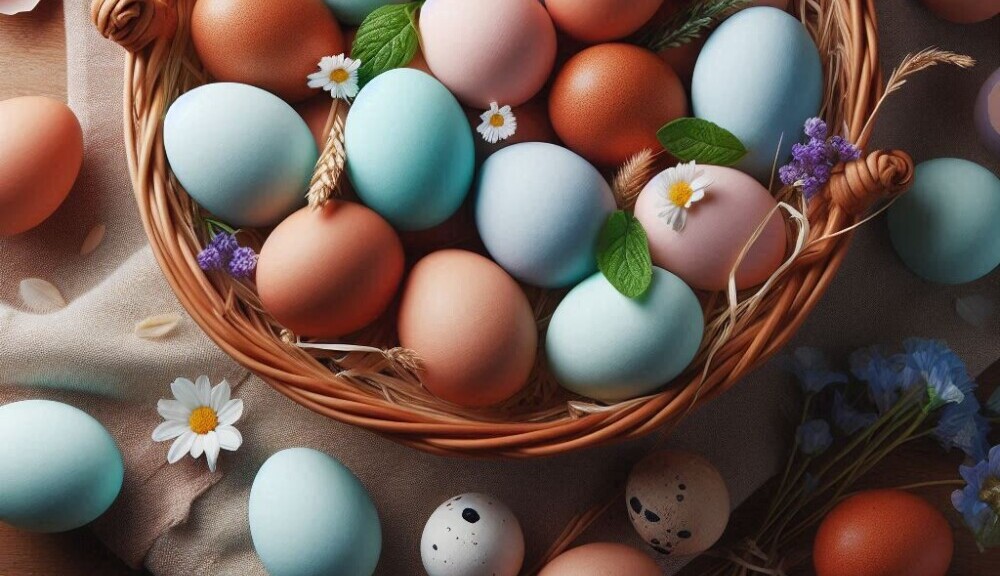
If you dream of a rainbow of eggs on your breakfast table, think about having a diverse flock. Choosing complementary breeds not only brings variety in egg color but can also step up the overall health and productivity of your chickens.
When planning your flock, consider not just the egg color but also the temperament, hardiness, and care requirements of each breed. A well-planned mix can make management easier and yield a stunning collection of eggs that can brighten up daily meals.
Practical Guidelines:
- Research each breed to understand their care routines and compatibility.
- Start small with a mix of two or three breeds and expand as you gain experience.
- Monitor your flock to appreciate the genetic variations in egg color over time.
By carefully selecting the right combination of breeds, you allow nature’s palette to fully express itself. Every egg harvest becomes a little celebration of color and variety. A little white is still okay, too.
Additional Care Tips
Maintaining a diverse flock with colorful egg-laying chickens is not just about choosing the right breeds. It is also about ensuring they receive balanced nutrition, proper shelter, and attentive management.
Feeding them a well-rounded diet and providing fresh water every day can really step up their overall health. Additionally, regular cleaning of the coop and staying sharp for any signs of illness are very important practices that help in sustaining a productive flock.
Always ask for advice from local experts and other chicken keepers who can offer practical insights based on their own experiences.
Spend time reading up on the latest tips and mix in some hands-on experimentation. By giving continuous attention to the well-being of your birds, you create an atmosphere where they can thrive. In return, you benefit from a steady supply of next-level cool colored eggs that brighten every morning and add a special touch to your daily routine.
Final Thoughts
Colorful chicken eggs show how wonderful nature can be. Each breed brings its unique flair to the table. From the cool blue of Ameraucanas and Araucanas to the rich browns of Marans and Rhode Island Reds, these chickens offer a delightful mix that goes beyond the ordinary.
Understanding the genetics behind egg color and embracing a diverse flock can create a rewarding experience both visually and practically. Whether you are a seasoned chicken keeper or just starting, adding these eight breeds to your coop can bring a creative spark to your everyday routines.
Which breed or mix of breeds will you choose to bring a burst of color to your morning routine? Enjoy the adventure as you explore the endless variations and create your rainbow of eggs.
I’d love to hear your thoughts.
Dave

Chickenmethod.com