
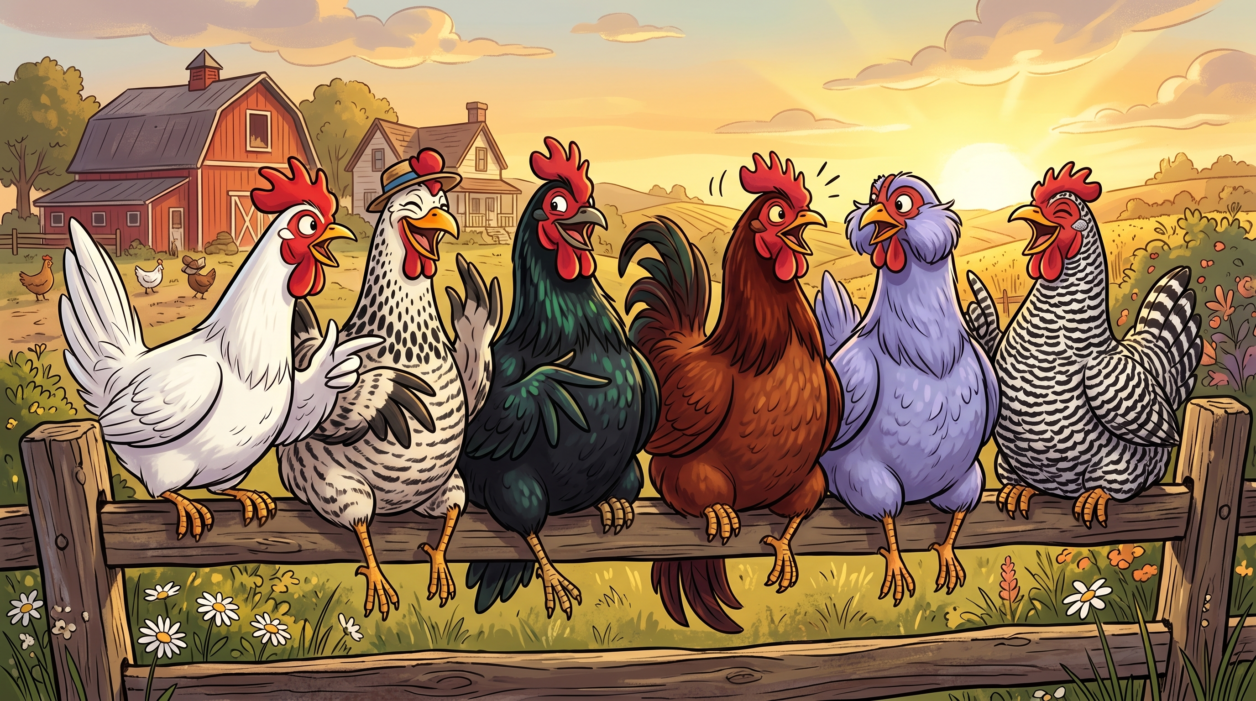
What are the best chicken breeds for a backyard flock? The best backyard chicken breeds are hardy, friendly, easy to find, and lay at least 200 eggs per year. Top picks include Rhode Island Reds, Red Stars, Plymouth Rocks, Black Australorps, and White Leghorns. All reliable, widely available, and well-suited for small flock keepers. For colored eggs, Easter Eggers and Ameraucanas add variety. Bantams are a fun bonus, but aren’t the best layers.
Have you ever found yourself at the farm store staring at a bin of chicks, not recognizing any of the breeds on the signs? You weren’t planning to buy chickens that day, but here you are, and you have no idea what you’re looking at. That’s exactly what this article is for.
This isn’t an exhaustive study of rare or exotic breeds you’re unlikely to come across. It’s a practical guide to the common breeds, the ones you’d actually find at a farm store or hatchery.
To make this list, a breed had to meet four criteria:
Friendly – Nobody wants to get attacked every time they go to gather eggs.
Hardy – Like a Timex watch: takes a lickin’ and keeps on tickin’.
Prolific layers – No less than 200 eggs annually.
Available – No exotics. If you can’t find it, it doesn’t count.
White Egg Layers.

The White Leghorn is the most recognized white egg layer, thanks in no small part to Foghorn Leghorn. If that name doesn’t ring a bell, look up some old Looney Tunes episodes. Old Foghorn is worth a few minutes of your time. White Leghorns check every box on the criteria list, though some keepers find them a little standoffish compared to other breeds. They’re not aggressive, just independent.
Other white egg layers exist. Brown Leghorns, Polish, Minorca, and the Andalusian, among them, but none of them check all four boxes the way the White Leghorn does.
Brown Egg Layers.
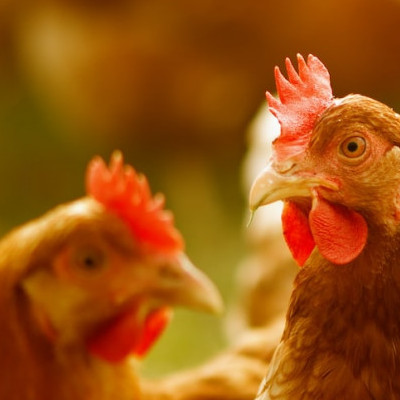
This is where most backyard flocks are built. There are plenty of options, so I’m narrowing it to five breeds worth knowing.
Rhode Island Red is at the top of the list for good reason. Rhode Island made the Red its state bird, and it’s well deserved. These birds lay five to six medium-to-large eggs per week, are rock-solid in cold weather, love to free-range, and have great personalities. Roosters can occasionally be aggressive, but it’s not the norm. I’ve always kept Reds in my flock and always will.
Red Star (Red Sex Link) This hybrid was purpose-bred for egg production and delivers on that promise — often 300 or more eggs per year. They get along well with people, though they can be a little pushy with flock mates. If you see these in the spring, don’t pass them up. They earn their keep.
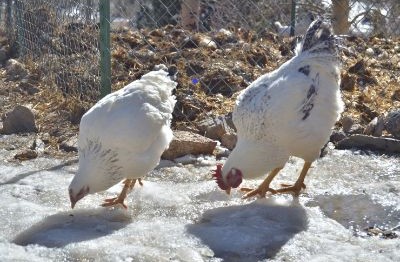
Delaware A solid dual-purpose bird that lays four or more large to jumbo eggs per week. Originally bred as a broiler, it can serve double duty if needed. Delawares are docile but can be a bit aloof. They’re not the friendliest breed, but they’re not a problem either. They’re white with distinctive black piping on the tail and black speckles around the neck. I haven’t kept Delawares myself yet, but they’re on my list.
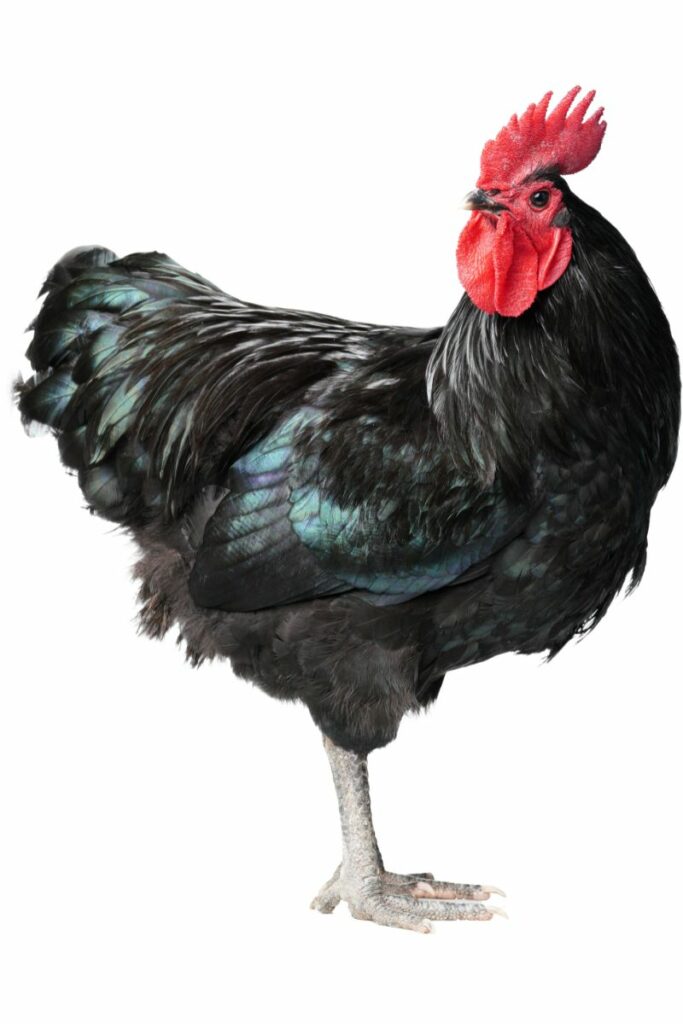
Black Australorp A great layer and another dual-purpose option. Australorps have a reputation for being shy, but in practice, they tend to be quite friendly. A good choice if kids are around the flock. Blue and White Australorps are essentially the same bird in a different color, so don’t let that trip you up if you find them.
Plymouth Rock (Barred Rock) A staple of backyard flocks everywhere. Named for its black and white barred pattern, the Barred Rock is a prolific layer, not particularly dual-purpose, but dependable and hardy. It seems like every flock has at least a couple. Easy to manage, easy to like.
A good rule of thumb: if you see “Rock,” “Orp,” or “Star” in a breed name, it’s likely going to be a solid addition to your flock.
Pretty Egg Layers.
Not every chicken needs to be a production machine. Araucanas, Ameraucanas, and Easter Eggers all lay eggs in shades of blue, green, and sometimes pink, and they make an egg carton look like something you’d see at a farmers’ market. All three are closely related and share similar traits: moderate temperament, decent hardiness, and a look that sets them apart from the standard flock.
They’re not your top producers. Expect around 150 to 200 eggs per year rather than 250 to 300, and they won’t do much for you as a meat bird. But the variety they add to the basket is genuinely fun, and I like keeping a few around for exactly that reason.
One note: “Ameraucana” is a recognized breed with specific standards; “Easter Egger” is a broader term for mixed birds that carry the blue egg gene. Both lay colored eggs. The Easter Egger is more commonly found at farm stores.
What about the Bantams?

Bantams won’t fill your egg carton, and they won’t be making Sunday dinner either. But they bring something else. Personality, entertainment, and a certain unpredictability that makes a mixed flock more interesting.
Bantams can be miniature versions of full-sized breeds, typically half to two-thirds the size of a standard bird. There are also true bantams with no full-sized counterpart, and various developed strains, over 400 breeds in total when you add it all up.
I keep a bantam rooster, and of the three roosters in my flock, a Light Brahma, an Easter Egger, and the banty, the little guy has by far the loudest, most piercing crow of all three. Nobody told him he’s the smallest.
Because of their size, bantams take up less coop space and eat less feed than standard birds. They’re good grazers and surprisingly capable fliers. I’ve seen my rooster twenty feet up in a tree, on top of my house, and on the garage roof. They really are a good time.
My Recommendation
Chickens are productive and genuinely fun to keep. They give you eggs to eat, share, or sell. Their manure composts into one of the best garden amendments you can use. Just make sure you’ve fenced the garden before they discover it, or you won’t have much of a garden left.
Comparing breeds is tricky because everyone’s priorities are different. Some people want maximum egg production. Some want dual-purpose birds. Some want a docile flock that’s good around kids. Some just want interesting-looking chickens.
Whatever your goal is, there are breeds that fit. My approach has always been an eclectic mix, a solid core of reliable layers with a few interesting additions thrown in. Figure out what matters most to you and build your flock from there.
Dave

Chickenmethod.com