
Picking the right egg layers for your spring flock can be challenging, and that’s why I’m going to throw my two cents into the bloggosphere for the three best egg layers to get started this spring to see if I can take some of the guesswork out of the choices.
Now, I’m not one to toss away money willy-nilly. After all, two cents is two cents! So my picks have to make sense. Sorry ’bout that.
Why does breed choice matter so much? It’s simple – not all chickens are created equal. Some crank out eggs like there’s no tomorrow, while others may look fancy and pretty but only give occasionally.
Fancy and pretty eggs are just as nutritious as plain white or brown eggs, and the assortment of colors in the carton or basket is pleasing to the eye, but if it’s quantity you want, then I’ve got what you’re looking for.
Three standout breeds top my list this spring. They promise prolific laying and proven hardiness.
Drum roll, please. White Leghorns, Black Australorps, and the oh-so-adaptable Sex Links. Each of these breeds has its own flair, and they all have the potential to fill your egg basket quickly.
Let’s have a look at them.
White Leghorns Are Egg-Laying Machines
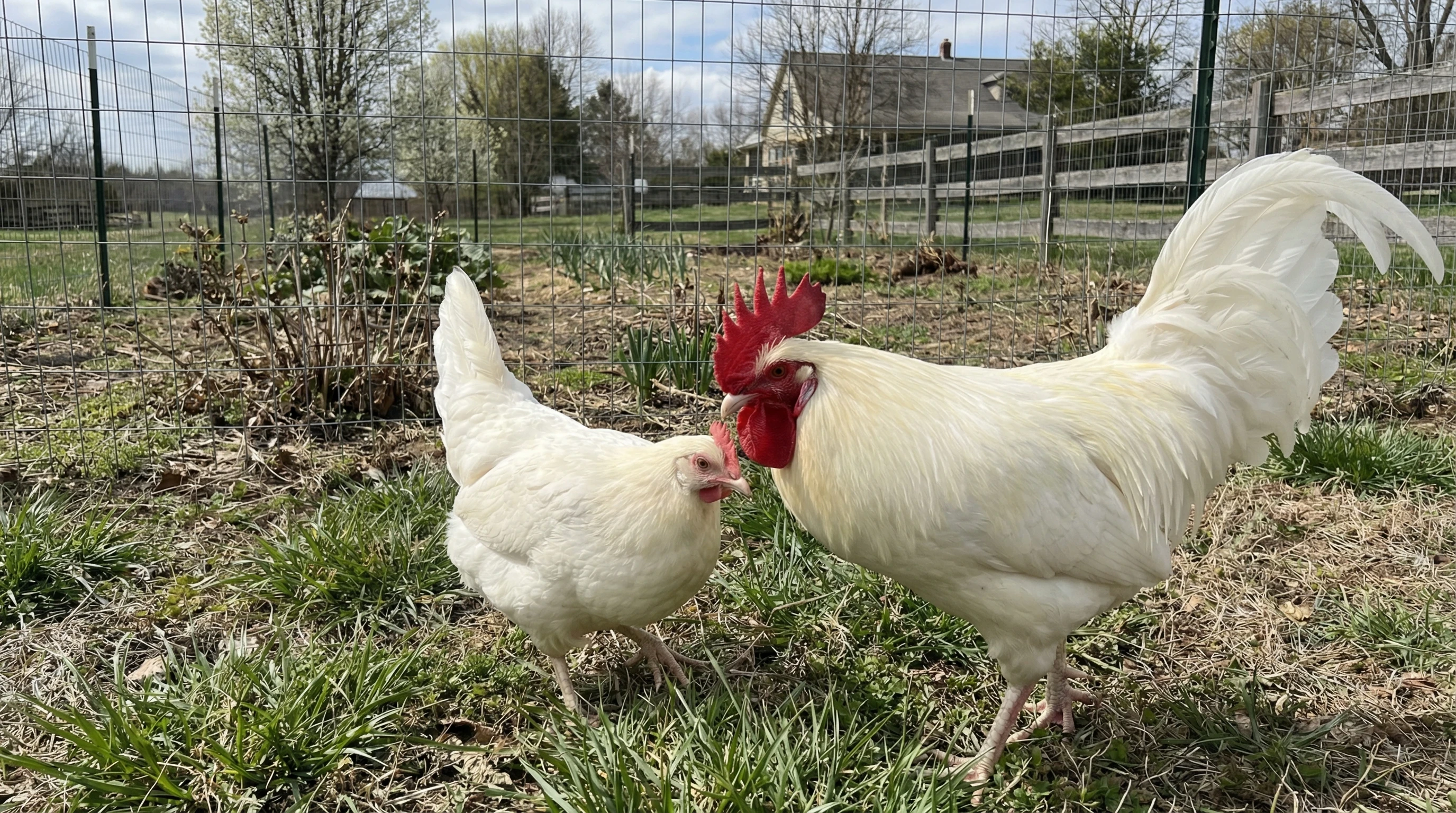
White Leghorns are like the Energizer bunnies of the chicken world—they keep going and going. Known for their exceptional productivity, these birds lay up to 300+ eggs per year.
It’s like breakfast just got a whole lot easier, right? You might need to invite some friends!
With roots tracing back to Italy, White Leghorns have spread their wings worldwide, and for good reason. They’re small, efficient, and hardy.
That’s a massive win for those chilly spring mornings. They don’t mind a bit of frost as long as they’ve got a cozy coop to call home. Watch their waddles and combs for signs of frostbite when temperatures dip below 20 degrees Fahrenheit, especially if you add a rooster to your flock.
Don’t expect to cuddle up to White Leghorns. They’re friendly and gentle enough, but they can be flighty and aloof if you don’t spend much time with them.
Give them a good environment, spend a little time with them, and they’ll thrive! Be sure to cover all their basic needs and a bit of chicken TLC, and you’ll find they’re pretty low-maintenance.
Black Australorps Are a Dual-Purpose Delight
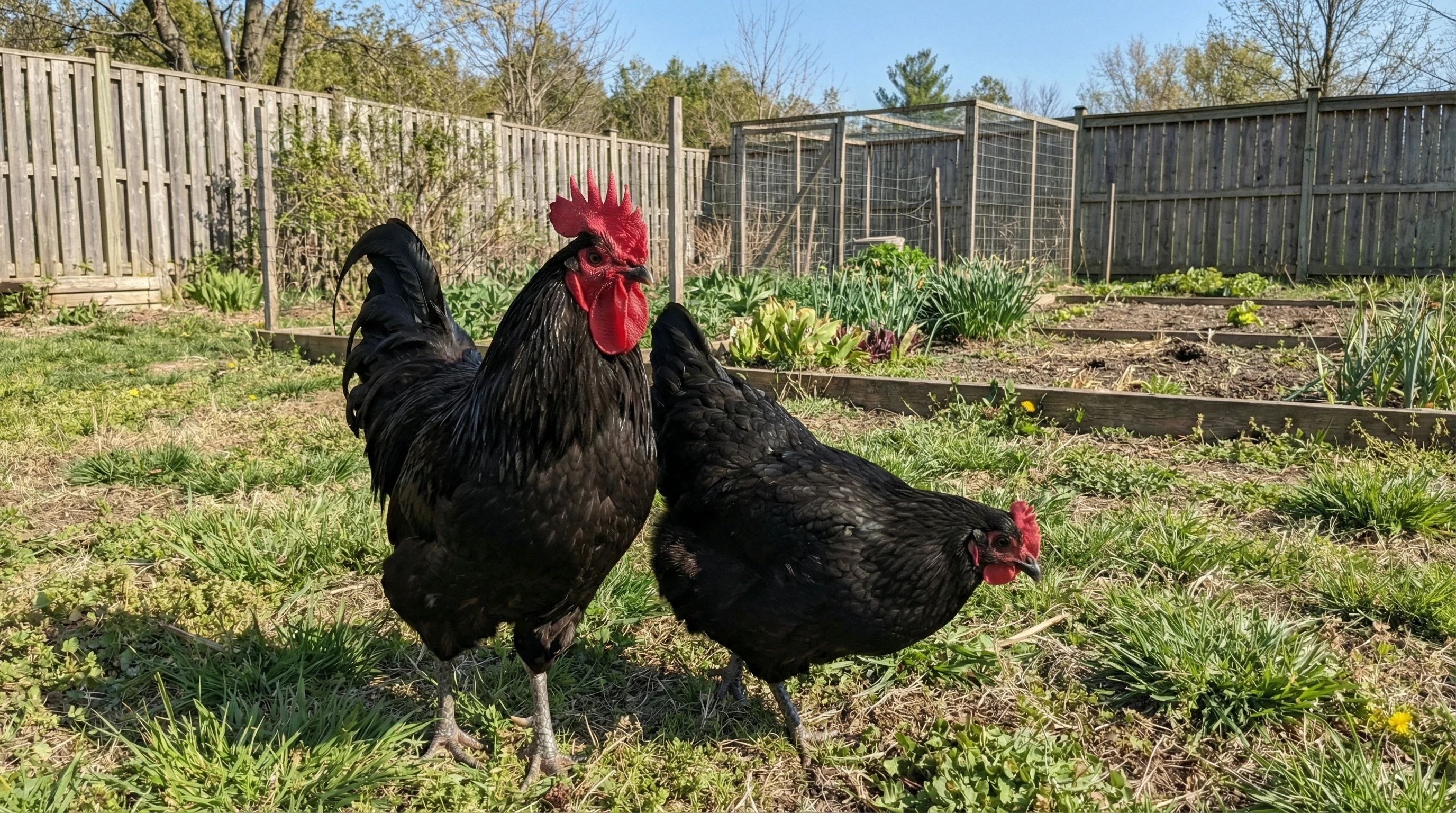
If you’re looking for a breed that’s versatile and elegant, Black Australorps are a great choice. Native to Australia, these birds boast glossy black plumage. But it’s their egg-laying prowess and meat quality that make them an excellent choice of a dual-purpose chicken.
When it comes to egg production, Black Australorps are no slackers. They’re known for their consistency, and while they might not outlay a White Leghorn (370 in one year by Lindsey in 1979), they’re up there in the rankings. In fact, in a record-breaking feat, an Australorp laid an impressive 364 eggs without a day off!
Beyond their productivity, these birds are champs in chillier climates. Their robust constitutions make them an excellent choice for folks dealing with frosty springs. Another big plus? They tend to have a friendly, easy-going nature that makes them super pleasant around the coop and backyard.
If you’re interested in both eggs and meat, this breed offers a bit of both. Although they shine when it comes to laying, they’ve got enough meat on their bones to make them worthwhile dual-purpose birds. You get the best of both worlds—eggs and a decent roast if needed.
Australorps are a charming breed that fits well into mixed flocks. With a bit of care and proper setup, these birds make an excellent, well-rounded addition to your backyard flock.
Sex Link Breeds Are Dependable
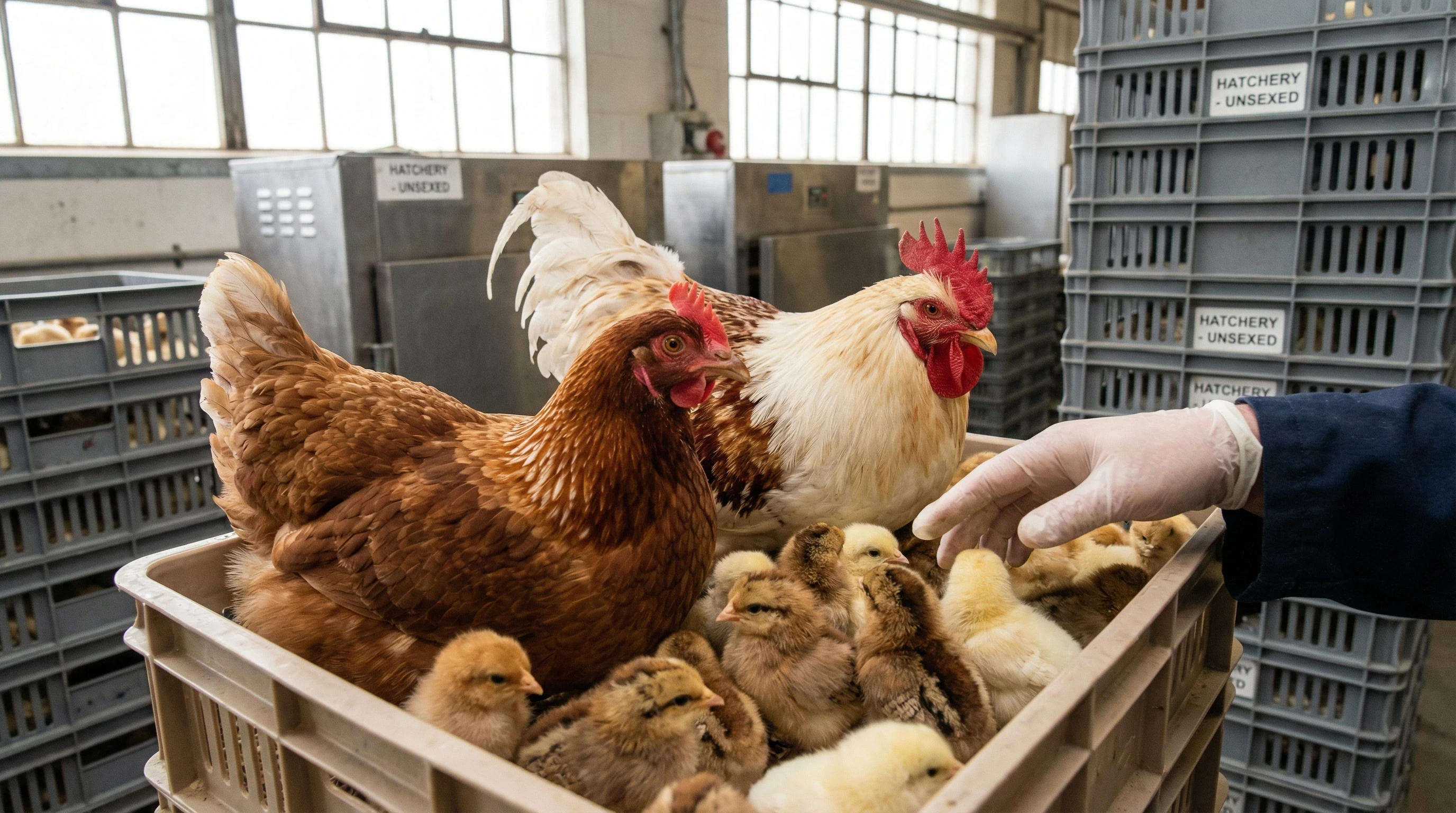
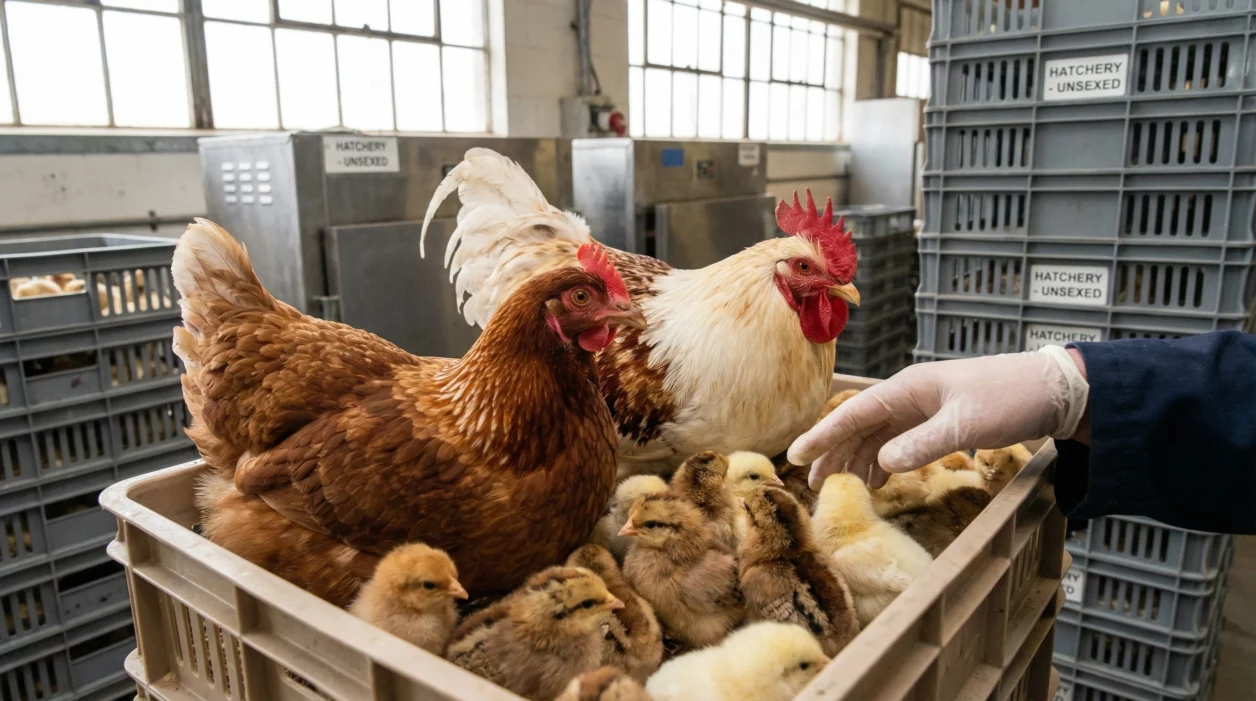
Sex Link chickens are like the DIY projects of the poultry world—each one a unique combination designed for performance. These birds are a crossbreed, often bringing together the best of both parents. Their vibrant variety comes with big perks, especially for egg production.
‘Sex Link’ refers to the interesting fact that you can tell their gender from day one based on their distinct color patterns. It’s pretty handy if you’re looking for a predictable flock ratio—no guessing games here!
The main goal with Sex Links? Quantity and quality of eggs. Known for their reliable laying, these birds can lay up to 300 eggs each year. Plus, each type, be it Red, Black, or Gold, keeps the egg basket full and colorful.
Adaptability is another strong suit. These breeds tolerate a wide range of climates, thriving in both warm and frosty environments. Their hardy nature makes them a solid choice for backyard farmers in the north and south, and they integrate easily into flocks with different breeds.
In terms of personality, Sex Links are typically laid-back and friendly. They’re the kind of chickens that get along with everyone. So if you’re aiming for a diverse, cooperative flock, they’re the perfect addition.
Sex Links prove to be stellar picks if you’re eyeing top egg layers.
Getting Quality and Quantity in Egg Laying
Choosing the right chicken breeds can make all the difference in your backyard farming journey. You can expect high output from White Leghorns, Black Australorps, and Sex Link breeds. With this group, you’ve got an interesting mix of both productivity and delightful personalities.
Each of these breeds brings something unique to the table, whether it’s sheer egg numbers, dual-purpose benefits, or adaptability. But remember, it’s your choice.
When setting up your spring flock, consider things like how these chickens will fit into your lifestyle, their temperament, and your space setup.
If you have a small setup but want lots of eggs, my picks fit the bill (I was going to say beak, but I didn’t want to ruffle any feathers. Can’t blame a guy for feeling plucky!)
Choosing these breeds means fresh eggs, an occasional roast, and the joys of raising chickens. Imagine waking up to the best eggs you ever had.
And it’s not just about the eggs; it’s the experience of nurturing these lively, productive birds that genuinely enriches your life.
So get those chicken coops ready. With the right breeds, you’re all set for a spring season filled with baskets overfilled with eggs.
Dave

Chickenmethod.com