
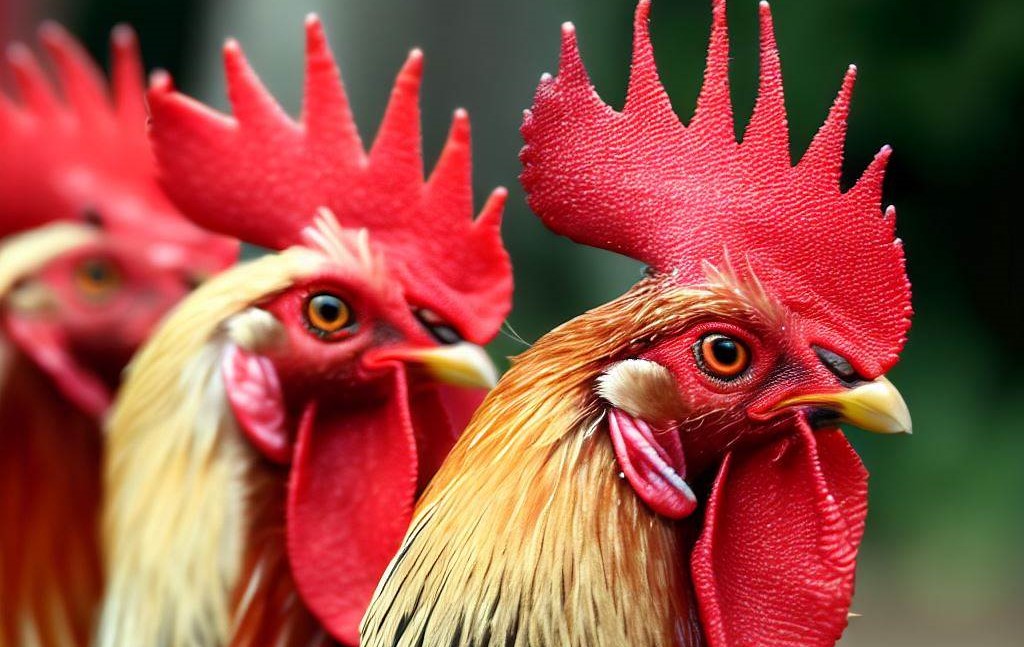
Can you raise chickens without a rooster?
Yes, and most backyard keepers do exactly that. Hens lay eggs just fine without a rooster. The eggs simply will not be fertilized, which only matters if you want to hatch chicks. Raising chickens without a rooster means less noise, simpler flock management, and fewer potential legal headaches in suburban areas. The trade-offs are the loss of natural flock protection and the ability to breed from your own birds.
Raising chickens without a rooster is a popular choice for backyard flock keepers, and for good reason. But it is not without tradeoffs. Whether you are starting fresh or thinking about removing a rooster from an existing flock, here is what to expect.
Table of Contents
What Does a Rooster Actually Do?

Before deciding whether to keep one, it helps to understand what you are giving up.
Roosters mate with hens and fertilize eggs, which matters if you want to hatch chicks. They also serve as flock protectors, watching for predators and sounding the alarm when something approaches. In a free-range situation, a rooster will crow to call scattered birds back together after a scare. They also maintain social order, which keeps the pecking dynamic more stable than an all-hen flock sometimes allows.
That last point is worth noting. In the absence of a rooster, a dominant hen will step into the leadership role. She will not mate with the others, but she will establish and enforce the pecking order. A large, calm breed tends to fill that role well. Brahmas are a good example.
Why Backyard Keepers Choose Raising Chickens Without a Rooster
The decision to go rooster-free usually comes down to a few practical realities.
Noise is the biggest one. Hens are generally quiet birds. A rooster is not. A rooster crows at around 130 decibels, which is the same range as a chainsaw.
I am up at 4:30 most mornings and open the coop around 5:45. My little bantam rooster screams every time I open the door. Annoying? Sure. But I will admit it gets my blood moving.
Local ordinances are another factor. Many municipalities allow hens but prohibit roosters outright. If you are in a suburban or urban area, check local regulations before bringing one home.
Space considerations matter too. A rooster with too few hens will overmate with the ones he has, and those hens will show it. Bare backs, missing neck feathers, and stress-related drops in egg production are the visible results. The fewer hens in the flock, the harder the rooster is on each individual bird.
The Pros of Going Rooster-Free
The benefits of raising chickens without roosters are many. Less noise is the obvious benefit and the one most people lead with. Quieter mornings, fewer neighbor complaints, and no early alarm crow. If you are in a neighborhood setting, this alone makes the decision easy.
Flock management is simpler without a rooster. No male aggression to manage, no mating behavior to watch, and no hens being run ragged. Watching a rooster relentlessly chase hens is genuinely hard to observe, and many keepers find it disturbing enough to factor into the decision.
Do chickens need a rooster to lay eggs? Egg production stays consistent. Hens lay just as well without a rooster. Fertilized and unfertilized eggs taste the same and look the same. The only functional difference is that unfertilized eggs will not develop into chicks. fertilized.
The Cons of Going Rooster-Free
Natural flock protection disappears. A rooster watches the sky and the perimeter in a way that hens simply do not. Without one, you are responsible for that protection through hardware cloth, secure latches, covered runs, and predator deterrents. It is manageable, but it requires more active effort on your part.
You lose the ability to breed from your own birds. If you want to hatch chicks from your flock, you need a rooster, or you need to source fertilized eggs from outside.
One important note on that: do not bring a rooster in from outside your flock just to fertilize eggs and then return him. Birds from outside your flock can carry diseases that your birds have no immunity to. If you want fertilized eggs, buy them from a reputable hatchery instead.
Social dynamics shift when a raising chickens without a rooster is removed from an existing flock. The birds will re-establish their pecking order, which involves some squabbling. Give them time and space to work it out. It usually settles within a week or two.
Practical Tips for a Rooster-Free Flock

Breed selection matters more in an all-hen flock. Calmer breeds with less aggression make for a more stable social dynamic. Leghorns, Australorps, Rhode Island Reds, Barred Rocks, and Sex Links all do well without a rooster present.
Enrichment reduces boredom-driven pecking. Perches at different heights, a head of cabbage hung at bird height, scattered scratch to encourage foraging, and access to fresh ground all help keep hens occupied and reduce stress on lower-ranking birds.
Keep an eye out for behavioral warning signs: excessive lethargy, feather picking, egg eating, and bullying behavior. A well-managed rooster-free flock rarely develops these problems, but overcrowding and boredom are common triggers when they do appear.
Worth Knowing Before You Decide
Both options work. Plenty of keepers run productive, happy flocks when raising chickens without a rooster. Plenty of others would not have it any other way. The right answer depends on your setup, your neighbors, your local regulations, and what you want from your flock.
If eggs are your primary goal and hatching chicks is not a priority, raising chickens without a rooster is the simpler path. If you want the full experience of a self-sustaining flock, a rooster earns his keep despite the noise.
Dave

Chickenmethod.com
Frequently Asked Questions
Will hens lay eggs without a rooster?
Yes. Hens lay eggs regardless of whether a rooster is present. The eggs simply will not be fertilized. Egg production, quality, and taste are not affected by the absence of a rooster.
Can hens be happy without a rooster?
Yes. Hens in a well-managed rooster-free flock establish their own social order and live contentedly. A dominant hen fills the leadership role naturally. Providing adequate space, enrichment, and the right breed mix keeps the flock stable.
What happens to flock behavior when you remove a rooster?
The birds re-establish their pecking order, which involves some squabbling for a week or two. Once hierarchy is settled, behavior normalizes. Give them space and time to work it out without intervening unless a bird is being seriously injured.
Do I need a rooster to hatch eggs?
Yes, eggs must be fertilized by a rooster to develop into chicks. If you want to hatch eggs without keeping a rooster, purchase fertilized eggs from a reputable hatchery. Do not bring an outside rooster in temporarily to fertilize your flock; birds from outside can introduce diseases your flock has no immunity to.
Which breeds do best in a rooster-free flock?
Calmer, less aggressive breeds tend to manage the social dynamics of an all-hen flock most smoothly. Good choices include Australorps, Barred Rocks, Rhode Island Reds, Brahmas, and Sex Links.
Well thank you I have a chicken coop and I have been thinking of getting a rooster to put in with the chickens I get but everyone else doesn’t want to hear him in the morning. So thank you so much for telling me the pros and cons of cons of a rooster.
You’re very welcome, Paul. My rooster wakes up at the crack of dawn to start crowing, then a few times a day after that, but never at dusk. Happily, my neighbors are close enough to here him but far enough so it doesn’t bother them (they say:)
A couple of breeds that are on the quieter side are Barred Plymouth Rocks and Silkies.
I wish you well with your flock. Take care.
Dave
I have a sweet seven months old Brahma rooster. I can easily hold and cuddle with him and he is generally a good rooster. He is a bit brutal with my hens, I currently have 13. Most of them have feather damage on their neck, head, and back. He also chases some around the yard. It is very hard for me to watch as most of my hens make unpleasant noises. I am very much consider get rid of him but in the same time, I am very attached to him. I have a second smaller coop that he could be but would that not be cruel as their are flock animals.
It’s completely understandable that you’re torn, Kerstin. You clearly care about your rooster, and it shows in how gently you describe him. At the same time, it’s hard to watch your hens stressed or losing feathers, and it makes sense that you’re questioning what’s best for everyone. You really have two kind, responsible options in front of you.
If you choose to keep him, you’d be keeping a bird you’re bonded with, one who trusts you and brings a lot of sweetness to your flock. Some people manage this by separating the rooster part‑time, using hen saddles, or reducing the number of hens he has access to, so the pressure isn’t all on the same birds. It takes a little management, but it lets you keep the relationship you’ve built with him.
If you choose to rehome him, that’s also an act of care. There are plenty of people who actively want a Brahma rooster, especially a gentle, handleable one—and he could thrive in a home with sturdier hens or a different flock setup. Letting him go to someone who truly needs a rooster isn’t giving up on him; it’s making sure he has the best possible life.
Whatever you decide, you’re not being cruel. You’re doing exactly what a responsible flock keeper does: paying attention, weighing the needs of all your birds, and trying to make the most compassionate choice.