Free-range chickens are a hot topic among backyard hobbyists. Choosing whether to allow your chickens to roam freely can seem like a challenging decision. This article will provide an in-depth look into the concept of free-ranging, highlighting its benefits and challenges.
If you’re anything like me, you want everything and everybody to be free to enjoy life to the fullest. But freedom comes with its pitfalls and perils. And when you’re the favorite item on everybody’s menu, freedom for a chicken can be a terrifying adventure.
What is Free-Ranging?
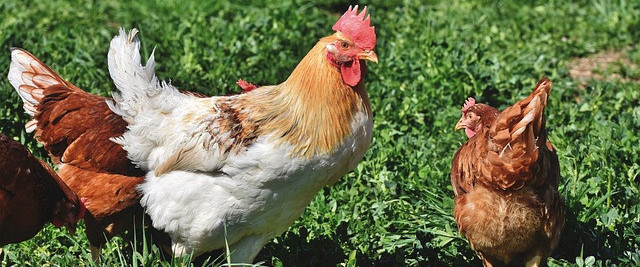
Free-ranging is a term that refers to a method of poultry farming where chickens are allowed to roam freely outdoors, instead of being confined to an enclosure 24/7. This method of raising chickens has roots that go back centuries, aligning with the natural behaviors of these feathery friends.
However, centuries ago chickens were wild creatures that were able to escape quickly by hiding in small spaces or flying to treetops to avoid being gobbled up by hungry four-legged carnivores and deadly raptors from the sky.
If you have ever raised a flock of Cornish Rocks (meat birds) you know that they aren’t running let alone flying away from any danger.
The Benefits of Free-Ranging
Improved Chicken Health
Free-ranging can lead to healthier chickens. Here’s why:
Exercise: Chickens that are free to roam get more exercise, which contributes to their overall health.
Diverse Diet: Free-range chickens can supplement their diet with a variety of insects, plants, and seeds found in their environment.
Tick Control: Chickens have incredible eyesight, picking up the slightest movement of the tiniest insects.
Better Quality Eggs
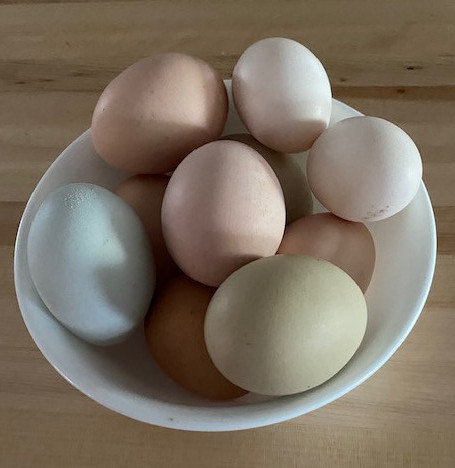
Many chicken keepers find that free-range chickens produce eggs that are often tastier and more nutrient-rich compared to those from confined chickens. This is largely due to their diverse diet.
Confined to a coop, chickens eat what is given to them. Left to forage outside, they will eat all kinds of plants, bugs, and worms, and they will get the perfect amount of grit that they require for proper digestion.
On the other hand, left to themselves they will eat your flowers and ravage your garden. They don’t discriminate between wild ferns and that bed of hostas you’ve got growing by the porch. They are happy to eat all of your vegetable plants as well.
Natural Behavior and Happy Chickens
Chickens are naturally curious and love to forage. Free-ranging allows chickens to express their natural behaviors, leading to happier, more content chickens. Growing up country myself, I know I’m happy to be outside breathing fresh air as often as possible.
The Challenges of Free-Ranging
Predators
Free-ranging does come with risks. Predators are a major concern. Tips to mitigate this risk include secure housing for nighttime and supervising your flock during the day. Here’s what you need to consider to name a few:
Foxes
Raccoons
Skunks
Weasels and minks
Coyotes
Bobcats
Hawks and other birds of prey
Opossums
Domestic dogs and cats
Snakes
Owls
Rats
Bears (in certain areas)
Mountain Lions (in certain areas)
Please note that the potential predators can vary depending on your geographic location.
Diseases and Parasites
There’s also the risk of disease and parasites. Regular health checks, appropriate vaccinations, and good coop hygiene can help keep these at bay. Back to the list… here’s a list of common diseases that free-ranging chickens may be at risk of contracting:
Avian Influenza (Bird Flu)
Newcastle Disease
Fowl Cholera
Infectious Bronchitis
Marek’s Disease
Infectious Bursal Disease (Gumboro)
Coccidiosis
Salmonella
E. coli
Mycoplasma (MG/MS)
Infectious Coryza
Avian Tuberculosis
Botulism
Fowl Pox
Lice and mite infestations
These diseases can vary in severity and transmission method. Many can be prevented through vaccination, good biosecurity practices, and regular health checks. It’s important to keep an eye on your birds, noting any irregular behavior that could indicate disease or infestation. Fortunately, there are measures you can take to keep your chickens healthy.
Land and Neighbor Considerations
Free-ranging requires suitable land space. It’s also important to consider your neighbors, as chickens can wander off-property. Always ensure your chickens are not a nuisance to others.
This brings up the topic of roosters. They’re loud and have no manners. When you are considering neighbors, Keep in mind how far a rooster’s crow can travel. Some folk love to hear the rooster crow. Some do not. You might want to ask how the neighbors feel about it before you move a rooster into your flock.
Managing a Free-Range Flock
Setting up a Suitable Environment
To free-range, you’ll need to provide a safe and enriching environment. This includes shelter, fresh water, and areas for foraging.
Shelter means a coop, garage, shed, pole barn, and tarps set up for shade to go into and under to get out of the rain, or sun, or to avoid aerial predators.
Routine Checks and Healthcare
Routine health checks are crucial. Look for signs of illness or injury, and address any issues immediately. Watch for symptoms such as sneezing, excess preening, ear scratching, and lethargy to name a few.
Balancing Free-Ranging with Safety
It’s essential to balance the benefits of free-ranging with safety. Considerations may include using a chicken tractor or providing a fenced-in area for your chickens to roam freely.
Is Free-Ranging Right for You?
The decision to free-range your chickens depends on your circumstances, including space, time, and local predator populations. While there are several benefits to free-ranging, it’s crucial to understand and mitigate the associated risks.
Further Resources
For more information on free-ranging and chicken health, check out the Poultry Health Handbook, a comprehensive guide to keeping your flock healthy and happy.
Remember, raising free-range chickens requires commitment and careful management, but the rewards can be plentiful. Happy chicken keeping!
As always, please leave a comment below to let me know what you think about free-ranging your chickens.
Contains information related to marketing campaigns of the user. These are shared with Google AdWords / Google Ads when the Google Ads and Google Analytics accounts are linked together.
90 days
__utma
ID used to identify users and sessions
2 years after last activity
__utmt
Used to monitor number of Google Analytics server requests
10 minutes
__utmb
Used to distinguish new sessions and visits. This cookie is set when the GA.js javascript library is loaded and there is no existing __utmb cookie. The cookie is updated every time data is sent to the Google Analytics server.
30 minutes after last activity
__utmc
Used only with old Urchin versions of Google Analytics and not with GA.js. Was used to distinguish between new sessions and visits at the end of a session.
End of session (browser)
__utmz
Contains information about the traffic source or campaign that directed user to the website. The cookie is set when the GA.js javascript is loaded and updated when data is sent to the Google Anaytics server
6 months after last activity
__utmv
Contains custom information set by the web developer via the _setCustomVar method in Google Analytics. This cookie is updated every time new data is sent to the Google Analytics server.
2 years after last activity
__utmx
Used to determine whether a user is included in an A / B or Multivariate test.
18 months
_ga
ID used to identify users
2 years
_gali
Used by Google Analytics to determine which links on a page are being clicked
30 seconds
_ga_
ID used to identify users
2 years
_gid
ID used to identify users for 24 hours after last activity
24 hours
_gat
Used to monitor number of Google Analytics server requests when using Google Tag Manager