
How Do You Keep Chickens Warm in Cold Weather?
Keep chickens warm in cold weather with a windproof, ventilated coop, thick bedding, a reliable heat source for extreme cold, and a heated waterer so they always have access to unfrozen water. Combs and wattles are the most frostbite-prone areas, so minimizing stress and keeping birds dry matters as much as the temperature itself.
We just went through another winter here in Upstate New York, and my flock came through it fine. This isn’t Minnesota, but it gets plenty cold, with temperatures dropping below zero for days on end. I’ve learned a fair amount about how much cold chickens can actually tolerate and what it takes to keep them comfortable through it.
Table of Contents
Why Keeping Chickens Warm Matters
The benefits are fairly obvious, but worth spelling out. A warm chicken lays more consistently. You’ll hear that chickens naturally slow down egg production in winter, and that’s true to a point, but a heat lamp providing both warmth and light in the coop keeps that decline from becoming a full stop.
To be clear, I’m not saying to keep a coop at summer temperatures. Not even close. What I am saying is that chickens don’t have to be subjected to below freezing temperatures that can frost their combs off.
My chickens laid consistently through winter with a heat lamp running. The light disrupted their sleep a little, but they still got rest. The red light specifically helps stimulate the hormonal response tied to egg production.
Keeping her warm also helps keep a hen’s stress level down, and lower stress means steadier laying. Combs and wattles are sensitive organs that help regulate body temperature, and they’re also the most exposed parts of a chicken’s body. In temperatures below freezing, they’re genuinely at risk of frostbite.
Plenty of food and water matter too, since your birds need the extra strength to handle the cold.
Cold Weather Watering
A frozen waterer does your flock no good, so a heated option is worth the investment. Heated waterers typically run $30 to $90. The cheaper ones tend to be open like a dog dish, and I don’t recommend those unless you can rig some kind of cover. Chickens aren’t picky about where they relieve themselves, and an open dish invites contamination. Better options have a heated base under a standard waterer design.
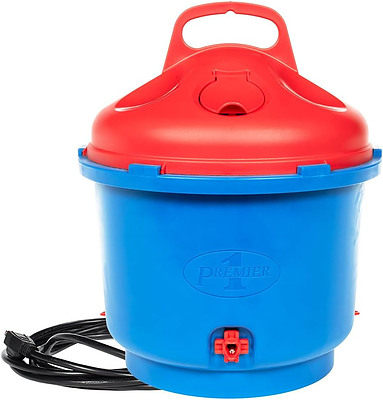
You can find heated waterers ranging from $30.00 to $90.00. The lower-priced ones are open like a dog dish. I do not recommend those unless you can fashion a cover over them. Chickens are awesome creatures, but they do lack social graces when it comes to when and where they defecate. Some others look like a typical waterer, except they have a heated bottom.
You can also build your own. Take a cinder block, a metal cylinder, or a heavy masonry pot, something sturdy that won’t tip over, and place a light bulb in the hollow center. Set your regular summer waterer on top, and you’ve got a working heated setup. Two things to watch for: keep the bulb from resting against a wooden floor, and keep it away from the plastic waterer itself.
How Much Cold Can Chickens Actually Handle?
More than you’d think, if the coop is built right. A well-built coop can comfortably house a flock of up to 20 birds through a real winter.
Insulation helps, but it’s not enough on its own. Chickens will peck at exposed foam or fiberglass insulation out of boredom, not because they mistake it for food, so cover any exposed insulation with plywood or a similar material.
The coop needs to be both windproof and well-ventilated. A small, sealed coop traps body heat, but it also traps ammonia from droppings, which is a real health hazard. You need airflow and a heat source that doesn’t rely solely on the birds’ own body heat.
I’ve had good results with a basic heat lamp. It supplements the flock’s natural warmth, and the red light also helps stimulate egg production.
Chicks need far more careful temperature management than adult birds, since they don’t have adult feathers yet and are especially vulnerable in their first few days. Keep newly hatched chicks at 90 to 95 degrees Fahrenheit, then step that down gradually over about five weeks until you reach 70 to 75 degrees. That whole process happens in a brooder, which is its own topic I’ve covered elsewhere.
Whatever heat source you choose, fire safety comes first. Oil-filled space heaters are a solid option; just be aware that the buildup they create means more frequent cleaning than you might expect.
Cold Weather Bedding
Unless your coop has radiant floor heat, keep a thick layer of bedding down. Cold from the ground can wick up through the floor and freeze the bottom layer of bedding if it’s damp, which it usually is in winter. More than 4 inches of shavings or straw does the job.
I use coarse pine shavings from two suppliers near me. The bags are easy to handle, the shavings are large enough that the birds won’t mistake them for feed, they’re absorbent, and they smell decent too.
Winter Feed
During high-stress periods, injury, molting, or a rough winter, keeping a bag of high-protein feed on hand is worth it. This is strictly a supplement, not a main food source. Offer it the way you would scratch grains, occasionally, and only a handful or two at a time. Follow the instructions on the bag for proper amounts.
If you’d rather not buy specialty feed, hard-boiled eggs make a good protein supplement. Cut them into small pieces. Cooked eggs don’t look or smell like raw eggs, so you don’t have to worry about encouraging egg eating in the coop.
Keeping chickens warm through winter isn’t difficult as long as you prepare ahead of time. As autumn approaches, make sure your coop is tight but well-ventilated, with no drafts, stock up on bedding, and have a reliable heat source ready for both the coop and the water. A bag of high-protein feed rounds out the prep.
If you’re just getting started, it’s worth choosing naturally cold-hardy breeds from the outset rather than fighting an uphill battle with birds that weren’t built for harsh winters.
FAQ
Do chickens need a heat lamp in winter?
Not always, but it helps, especially for keeping egg production consistent and protecting combs and wattles from frostbite in extreme cold. A well-built, insulated, and ventilated coop can keep birds comfortable even without one, depending on your climate.
What temperature is too cold for chickens?
Healthy adult chickens with proper shelter can handle temperatures well below freezing. The real risk is frostbite on combs and wattles, along with frozen water sources, rather than the cold itself being fatal.
How much bedding do chickens need in winter?
At least 4 inches of shavings or straw helps insulate against cold and moisture coming up from the ground.
Is it safe to feed chickens their own cooked eggs?
Yes, in moderation. Cooked eggs look and smell different from raw ones, so they don’t encourage egg-eating in the coop. Just watch portion size, since too much soft food can lead to a clogged crop.
I appreciate you reading this. If you want to discuss it, ask a question, or just say hello, leave a message below and I’ll get right back to you.
See ya ’round,
Dave

Chickenmethod.com
Hey Dave, thank you for such a fabulous read on Keeping Chickens Warm In Cold Weather! I love my eggs in the morning so I know exactly why it’s so important to keep those chickens warm. You have provided much useful help with this article, not just to keep the chickens happy but keeping the eggs flowing should make their keepers happy as well.
I can understand if the light kept the chickens from getting the rest they need as I have had the same experience myself when trying to sleep during the day.
Do you really think it is okay to feed the chickens their own cooked eggs? Just seems a little questionable to me but I am a novice.
Hello Joseph. Thanks for the kind words.
Yeah, it’s okay to feed them cooked eggs in moderation because the cooked eggs are changed in both form/texture and aroma compared to a raw egg. Just a note on soft foods – chickens LOVE foods like cooked eggs and peas, but too much soft food can, and eventually will, lead to clogging the crop. Sometimes the chicken can be saved by massaging the crop, or turning the chicken upside down and making it vomit, but sometimes the chicken doesn’t make it.
Great question! I hope I answered it for you. ’til next time…
Dave